Ceylon Cinnamon for Baking: A Baker's Guide to the True Spice
Ceylon cinnamon for baking behaves differently from supermarket cassia. Here is why, how much to use, and the bakes where the true spice truly shines.
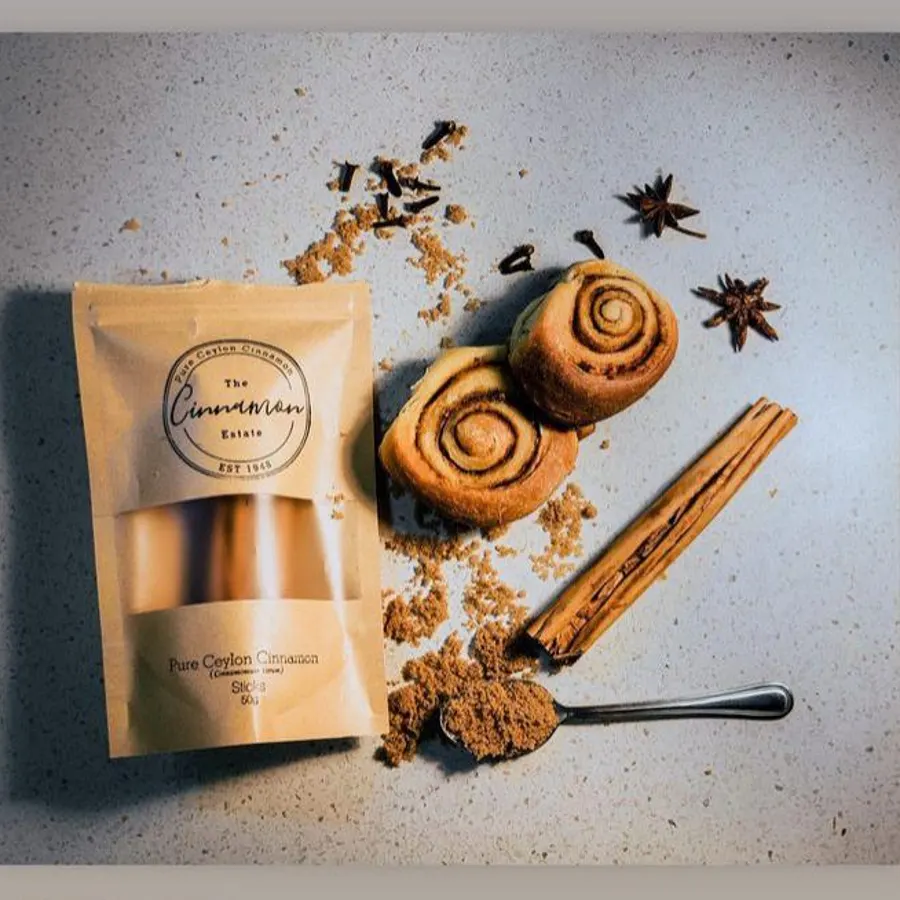
If you have baked with cinnamon your whole life and only ever reached for the jar at the supermarket, real Ceylon cinnamon will change how your favourite bakes taste. Not in a loud way. In a softer, rounder, more grown-up way that lets the butter and vanilla and fruit come through instead of getting buried.
We grow and hand-roll our cinnamon on the family estate in Sri Lanka, so we spend a lot of time in the kitchen testing it. Here is what we have learned about baking with the true spice, and where it makes the biggest difference.
Why Ceylon Cinnamon behaves differently in a bake
Most cinnamon sold in the West is cassia, a different plant with a strong, hot, almost spicy edge. It is bold, and in a heavily spiced bake it can take over. Ceylon cinnamon, the true cinnamon (Cinnamomum verum), is gentler. The flavour is sweeter and a little citrusy, with far less of that fiery bite.
For a baker, that means two things. First, Ceylon cinnamon rarely overpowers the other flavours, so it plays beautifully with delicate ingredients like custard, apple, cream cheese and vanilla. Second, because it is milder, you can often use a touch more of it without the bake tipping into harsh territory. If a recipe was written for cassia and tastes thin when you switch to Ceylon cinnamon, add a little more rather than assuming something is wrong.
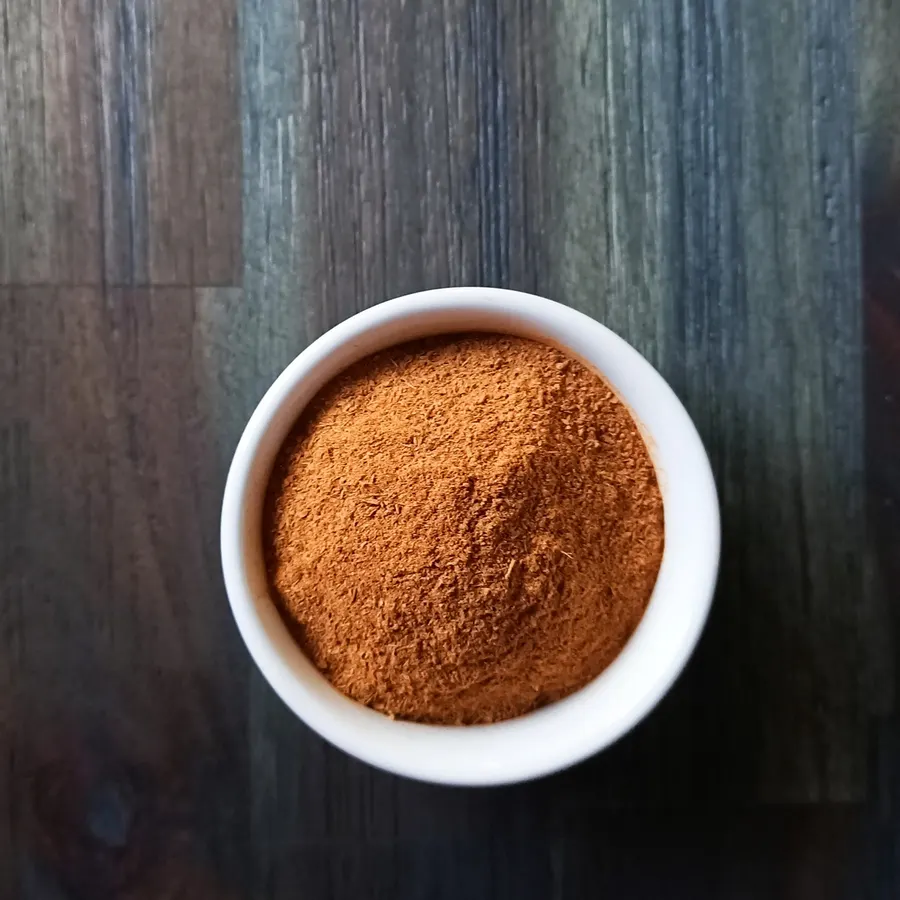
Ceylon cinnamon powder is also finer and paler, almost tan rather than red-brown, and it dissolves smoothly into batters and creams. We go deeper on the two spices in Ceylon cinnamon vs. cassia if you want the full comparison.
Powder or freshly ground
For most baking, a good Ceylon cinnamon powder is the right tool. You want the spice worked through the crumb, and powder does that evenly.
That said, ground cinnamon loses its aroma over time as the oils escape. If you bake often, one lovely habit is to grind small amounts from whole quills. True Ceylon cinnamon sticks are soft and papery, made of thin layers rolled together, so they crumble and grind far more easily than the hard cassia sticks you may be used to. A short blitz in a spice mill gives you powder that smells alive. Our 50g sticks are a nice way to try this, and there is more on handling whole quills in how to use cinnamon sticks.
The bakes where Ceylon Cinnamon shines
Some bakes are built for cinnamon to be the star. These are the ones where the true spice really earns its place.
- Cinnamon scrolls and buns. This is Ceylon cinnamon’s home ground. A generous cinnamon-sugar filling stays warm and sweet rather than sharp, and the citrus notes lift the whole thing. Do not be shy with the amount.
- Apple pie, crumbles and cakes. Apple and Ceylon cinnamon are a classic pairing. The cinnamon supports the fruit instead of shouting over it.
- Shortbread and butter biscuits. In a simple, buttery dough there is nowhere to hide, so a clean, sweet cinnamon flavour matters. Ceylon cinnamon keeps it elegant.
- Carrot cake, banana bread and spice cakes. Warm, moist bakes love cinnamon, and Ceylon cinnamon lets you go generous without the finish turning bitter.
- Custard tarts, rice pudding and baked creams. These are delicate, and cassia can steamroll them. A little Ceylon cinnamon perfumes them gently.

A few practical baking notes
A handful of things we have picked up that make baking with the true spice easier.
Toasting a little cinnamon in the butter or with the dry sugar before it goes into a batter wakes up the aroma. Just a few seconds of warmth, nothing that browns it.
Cinnamon is not just for sweet crumb. A pinch in a savoury pastry, a spiced loaf, or a fruit-and-nut soda bread adds warmth without reading as dessert. If that idea appeals, we have a whole piece on cinnamon in savoury cooking.
For anything that just needs a quick dusting, toast, baked apples, the top of a cake, a jar of Ceylon cinnamon sugar saves you measuring two things. It is simply our cinnamon blended through sugar, ready to sprinkle.
And store your cinnamon well so your bakes taste the way you intend. Ground spice fades faster than whole; keep it airtight, away from heat and light, and buy amounts you will actually use. We wrote a full guide on how to store cinnamon.
How much to use
There is no strict rule, and taste is personal, but a rough starting point helps. For a standard cake or a batch of biscuits, a teaspoon to a tablespoon of Ceylon cinnamon powder is a comfortable range depending on how forward you want the flavour. For cinnamon scrolls, go higher; the filling is meant to be the point.
Because Ceylon cinnamon is milder than cassia, if you are converting a trusted recipe, taste the batter or filling and trust your nose. You will likely land a little higher than the recipe says, and that is fine.
A note on why we care
Every bake you make with our cinnamon supports the people who grow it. Our family sells direct from our own estate and partner farms in Sri Lanka, with no middlemen taking the biggest share, and the proceeds fund long-term jobs, a free clinic, and schooling for the children around the estate. When your kitchen smells of warm cinnamon on a Sunday morning, that is doing a little good a long way away.
If you would like to bake with true Ceylon cinnamon, our Ceylon cinnamon powder is grown and prepared on our family estate, never fumigated, and ready for your next batch of scrolls. We think you will taste the difference in the first bite, and we would love to hear how it goes.
Taste the difference for yourself
Real Ceylon cinnamon, grown and hand-rolled on our family estate in Sri Lanka.
Shop the estate