How to Use Cinnamon Sticks: A Practical Guide
How to use cinnamon sticks for tea, coffee, curries, baking and syrups, plus how to reuse and store them and why true Ceylon cinnamon quills behave so differently.
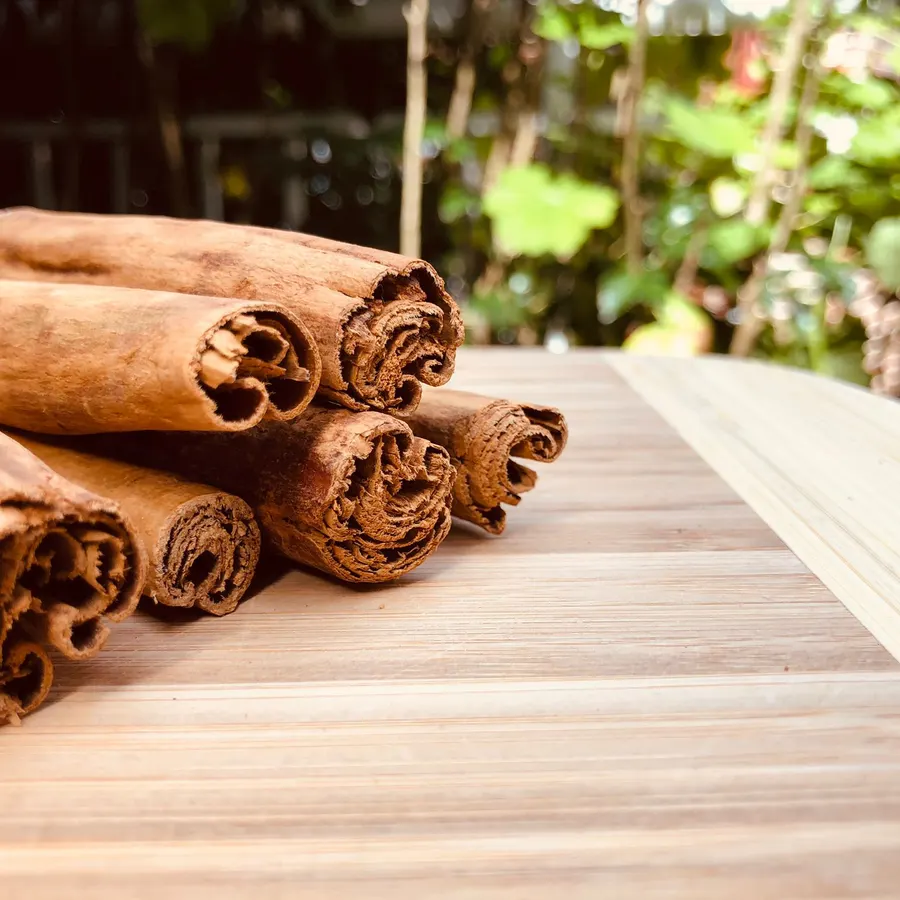
A jar of whole cinnamon sticks can sit untouched for months because most people only know one thing to do with them: drop one in mulled wine at Christmas. That is a shame, because a good stick is one of the most useful things in a kitchen. It flavours slowly, it can be reused, and it lasts for years.
Here is how our family uses them, from morning drinks to slow dinners, and a note on why true Ceylon cinnamon quills feel and behave so differently from the hard sticks in most supermarkets.
The sticks we use are hand-rolled on our family estate in Sri Lanka: a 50g pack to try, or the 850g bulk pack if you cook with them often.
Start with the brew
Whole sticks were made for hot drinks. The flavour lives in aromatic oils that release gently in hot water, so you get warmth and sweetness without the grittiness of powder.
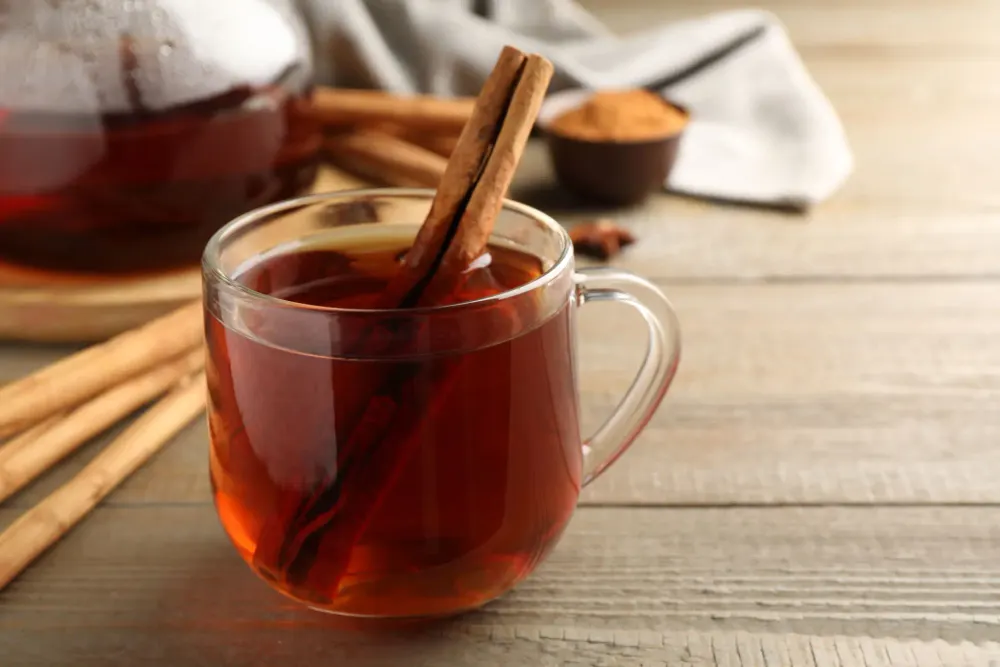
For a proper cup of cinnamon tea, steep two whole Ceylon cinnamon sticks in just-off-the-boil water for about eight minutes, covered so the oils stay in the cup. We wrote the full method in our cinnamon tea ritual, including how one customer in Canada gets through a few sticks a day.
A few more ways to brew:
- Coffee: drop a stick into the pot or the grounds before brewing, or leave one in a cafetiere while it steeps. It softens the bitterness and adds a faint sweetness with no sugar.
- Mulled wine and cider: a stick or two per bottle, simmered low with orange and a little honey. Whole sticks are essential here; powder turns the drink cloudy.
- Chai and spiced milk: simmer a stick with cardamom, ginger and black pepper, then add milk and tea.
Cook it into savoury dishes
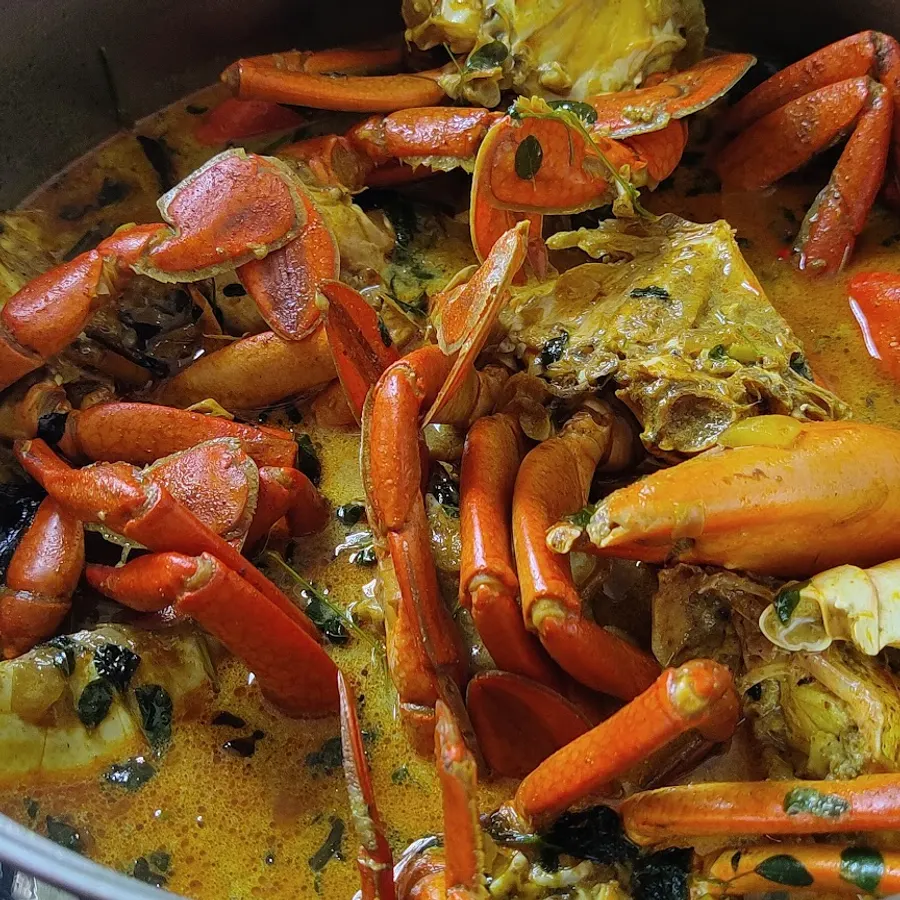
This is the use most Western kitchens miss. Across South Asia, the Middle East and North Africa, a whole cinnamon stick is a base note in savoury cooking, added early so it can perfume the whole pot.
- Curries and dals: add a stick to the hot oil at the start, with the onions and other whole spices, and let it bloom before the rest goes in.
- Rice: tuck a stick into the pot when you cook basmati or a pilaf. It lifts plain rice into something fragrant.
- Tagines and slow braises: cinnamon loves lamb, chickpeas and dried fruit. A stick through a long, slow braise adds depth without any sweetness reading as dessert.
- Stocks and soups: one stick in a simmering broth rounds out the flavour.
Fish out the stick before serving, or leave it in as a quiet signal that the dish was spiced with a whole quill.
Bake, poach and sweeten
On the sweet side, sticks are for infusing rather than folding into batter. Use them anywhere a liquid is warm long enough to take on the flavour.
- Poached fruit: pears, apples, quinces or plums, gently poached in water or wine with a cinnamon stick, a strip of citrus peel and a little honey.
- Custards and rice pudding: steep a stick in the warm milk, then lift it out before the eggs or rice go in.
- Syrups: simmer sticks with sugar and water for a cinnamon syrup that keeps in the fridge and sweetens coffee, cocktails, pancakes and porridge. We have a simple version in our cinnamon syrup recipe.
- Compotes and jams: a stick simmered in with the fruit, then removed, adds warmth without overpowering.
For baked goods where you genuinely want cinnamon through the crumb, powder is the right tool. But if you want to sweeten and spice at the same time, a jar of Ceylon cinnamon sugar does the job on toast, in coffee and over baked apples.
Infusing: the quiet trick
Cinnamon is fat and alcohol soluble as well as water soluble, which opens up a few slower uses:
- Infused honey: push a stick into a jar of honey and leave it a week or two. Lovely on yoghurt, in tea, or drizzled over cheese.
- Infused spirits: a stick in a bottle of rum or bourbon for a few days makes an easy base for warm cocktails.
- Infused oil: gently warm a neutral oil with a stick for a subtle finishing oil, best used within a few days.
Low and slow is the rule. There is no need to break the stick; whole quills infuse cleanly and are easy to remove.
Reuse and store your sticks
A good stick is not a single-use ingredient. After brewing a pot of tea, leave the sticks in and top up with hot water for a second, softer cup. Rinse and dry a savoury stick and it can flavour a second pot of rice.
To store them, keep sticks whole in an airtight jar, out of direct light and away from the heat of the stove. Whole sticks hold their aroma far longer than ground cinnamon, often a couple of years, because far less surface is exposed to air. Grind only what you need, when you need it, for the freshest powder.
Why true Ceylon Cinnamon quills are different
If you have only ever used supermarket cinnamon, real Ceylon cinnamon sticks will surprise you the first time you handle them.
Most cinnamon sold in the West is cassia: hard, hollow, single-curl sticks that are almost impossible to break by hand and that carry a strong, hot, sharp flavour. Ceylon cinnamon, the true cinnamon, is a different spice. The quills are made of many thin, papery layers rolled together, like a fine cigar. They are softer, they crumble and snap easily, the colour is a lighter tan, and the flavour is delicate, sweet and citrusy rather than fiery.
That difference matters in the kitchen. Ceylon cinnamon’s gentler flavour will not overpower a subtle custard or a light pilaf, and because it crumbles so easily you can grind your own fresh powder in a spice mill or even by hand. There is also a health angle worth knowing: Ceylon cinnamon is naturally very low in coumarin, a compound that is much more concentrated in cassia, which makes Ceylon cinnamon the sensible choice if you cook or brew with cinnamon often. We go deeper on all of this in Ceylon cinnamon vs. cassia.
A stick for every day
The point of a whole cinnamon stick is that it rewards slow use. It brews, it braises, it infuses, and it keeps for years in a jar. Once you have real Ceylon cinnamon quills in the cupboard, you reach for them far more than you would expect.
If you would like to try Ceylon cinnamon, our sticks are grown and hand-rolled on our family estate in Sri Lanka. A 50g pack is a gentle way to start, and our 850g bulk pack is the one our daily tea drinkers come back for. However you use them, you are supporting the growers who tend the trees, and that is the whole point of what we do.
Taste the difference for yourself
Real Ceylon cinnamon, grown and hand-rolled on our family estate in Sri Lanka.
Shop the estate