Cinnamon in Savoury Cooking: Curries, Rice, Tagines and More
Cinnamon in savoury cooking is a base note across South Asia and beyond. Here is how to use Ceylon cinnamon in curries, rice and tagines without any sweetness.
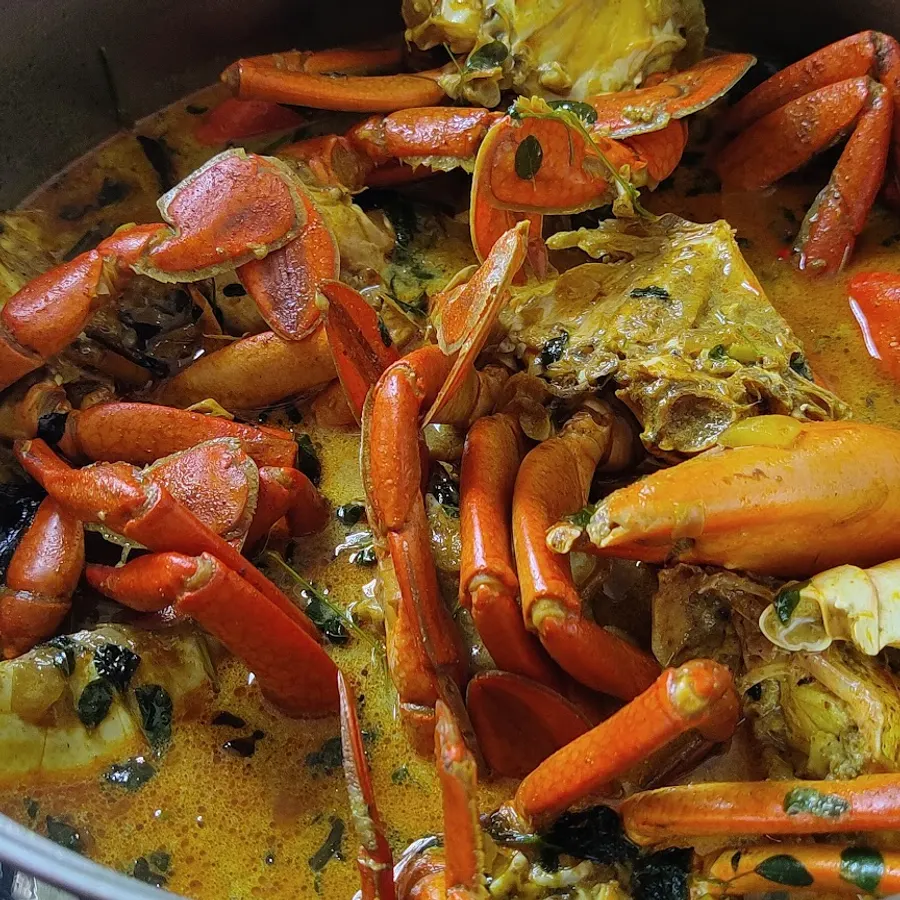
In a lot of Western kitchens, cinnamon lives on the sweet shelf: apple pie, scrolls, a dusting on a cappuccino. So it surprises people to learn that across Sri Lanka, India, the Middle East and North Africa, cinnamon is just as much a savoury spice. In our home it goes into curries and rice far more often than it goes into cake.
We grow and hand-roll our cinnamon on the family estate in Sri Lanka, so savoury cooking with it is second nature. If you have never done it, here is how to bring that warmth into your dinners, and why the true spice is the one to reach for.
Cinnamon as a base note, not a sweetener
The key idea is that in savoury cooking, cinnamon is not there to make things taste sweet. Added early and used with a light hand, it works underneath the dish, giving warmth and depth the way bay leaf or clove does. You often do not taste “cinnamon” as such; you just notice the dish is rounder and more fragrant.
That is why whole sticks usually beat powder here. A stick dropped into hot oil at the start releases its flavour slowly into the fat and through the whole pot, then gets fished out before serving. Powder can work too, but it is easier to overdo, and it can read as sweet if you add too much.
This is also where Ceylon cinnamon really earns its place. Cassia, the common supermarket type, is hot and strong and can dominate a subtle dish. Ceylon cinnamon is gentler and a little citrusy, so it supports the other spices instead of shouting over them. We compare the two in Ceylon cinnamon vs. cassia if you want the detail.
Curries and dals
This is the everyday use in our kitchen. When you start a curry, you usually bloom whole spices in hot oil before the onions go in. A stick of Ceylon cinnamon belongs right there, alongside cardamom, cloves and a bay leaf.
Let it sizzle for a few seconds until it smells fragrant, then carry on building the curry as normal. The cinnamon perfumes the base and threads through everything that follows. It works in meat curries, chickpea and lentil dals, and vegetable curries alike. Fish the stick out before serving, or leave it in as a quiet signal that the dish was spiced with a whole quill. Just warn whoever is eating, because a mouthful of cinnamon stick is a surprise no one orders.
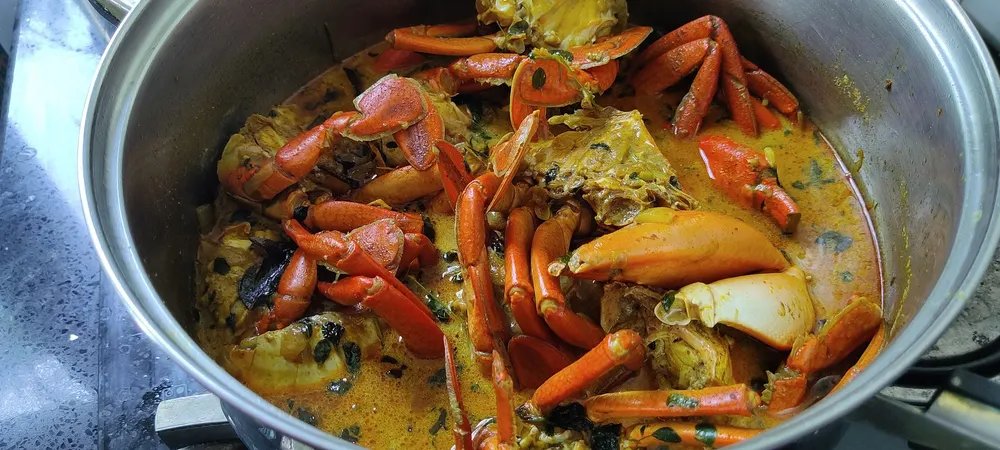
If you want to lean into the Sri Lankan side of things, cinnamon is a core part of the toasted spice blends our island is known for, where it sits with coriander, cumin, fennel and curry leaf.
Rice, pilafs and biryani
One of the simplest upgrades in cooking is a cinnamon stick in the rice pot. Tuck a whole stick in with basmati as it cooks, or into the oil at the start of a pilaf, and plain rice becomes fragrant and a little special.
For a biryani or a spiced pilaf, cinnamon is part of the classic backbone of whole spices layered through the dish. It pairs beautifully with saffron, cardamom and fried onion. Again, whole sticks are the friend here, easy to add and easy to remove.
Tagines, braises and slow-cooked meat
Cinnamon and slow cooking are made for each other. North African tagines lean on it heavily, where it partners with lamb, chickpeas, dried apricots and preserved lemon. In a long, low braise, the cinnamon melts into the background and gives the sauce a deep, warm undertone.
A few pairings that always work:
- Lamb and cinnamon. A natural match. A stick through a slow lamb braise adds depth without any dessert-like sweetness.
- Cinnamon with dried fruit. Apricots, dates, raisins and prunes in a savoury stew love a cinnamon stick.
- Tomato-based sauces. A small amount of cinnamon in a rich tomato ragu or a Greek-style beef stew rounds out the acidity. This is the secret note in many Mediterranean meat sauces.
Soups, stocks and beyond
The savoury uses do not stop at the main course. A single stick in a simmering broth or stock rounds out the flavour without anyone quite putting their finger on it. It is lovely in a spiced pumpkin or lentil soup, and a small pinch of powder can lift a chilli or a bean stew.
If you keep a jar of true Ceylon cinnamon powder as well as sticks, you have both tools: sticks for infusing the pot slowly, powder for a measured pinch in a spice rub or a quick sauce.
A few practical notes
Start smaller than you think, especially with powder. In savoury food, cinnamon should be a whisper, not a shout. You can always add more next time, whereas a curry that has gone full cinnamon roll is a harder thing to walk back.
Add whole sticks early and remove them before serving. They give their best over time in the hot fat and liquid, so there is no rush; just do not forget to fish them out.
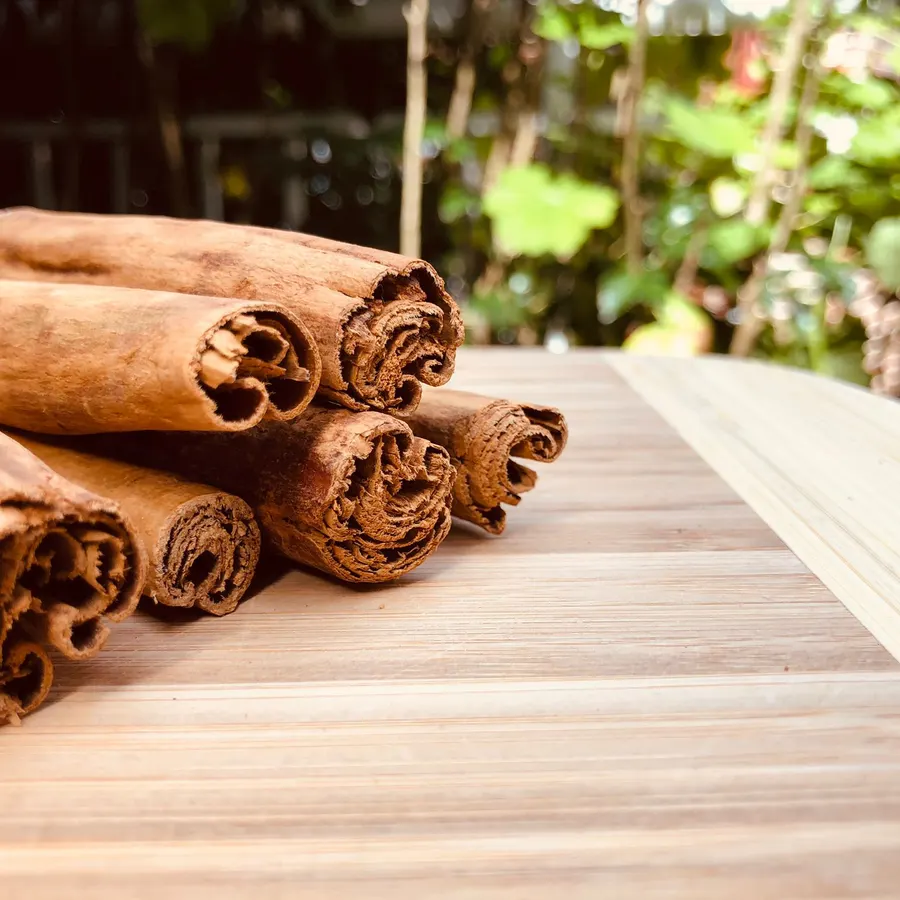
Store your sticks well so they are ready when you cook. Kept airtight, cool and dark, whole Ceylon cinnamon quills hold their aroma for a couple of years, as we cover in how to store cinnamon. Our 50g sticks are a good starting jar, and the 850g bulk pack suits anyone who cooks this way often.
If you are curious about the wider history and character of the spice, the story of true cinnamon is a good read alongside your cooking (Encyclopaedia Britannica).
Bring it to your table
Cooking savoury with cinnamon is one of those small shifts that quietly improves your food for years. Once a stick in the curry pot and one in the rice becomes a habit, you will wonder why you kept the spice locked on the dessert shelf.
If you would like to try it with Ceylon cinnamon, our cinnamon is grown and hand-rolled on our family estate in Sri Lanka, sold direct so the growers get a fairer share. Drop a stick in your next curry and see how the whole pot changes. We would love to know what you make.
Taste the difference for yourself
Real Ceylon cinnamon, grown and hand-rolled on our family estate in Sri Lanka.
Shop the estate