How We Grow and Hand-Roll Cinnamon on Our Estate
How we grow and hand-roll true Ceylon cinnamon on our family estate in Sri Lanka, from bark to quill, and why direct trade means a fairer share for growers.
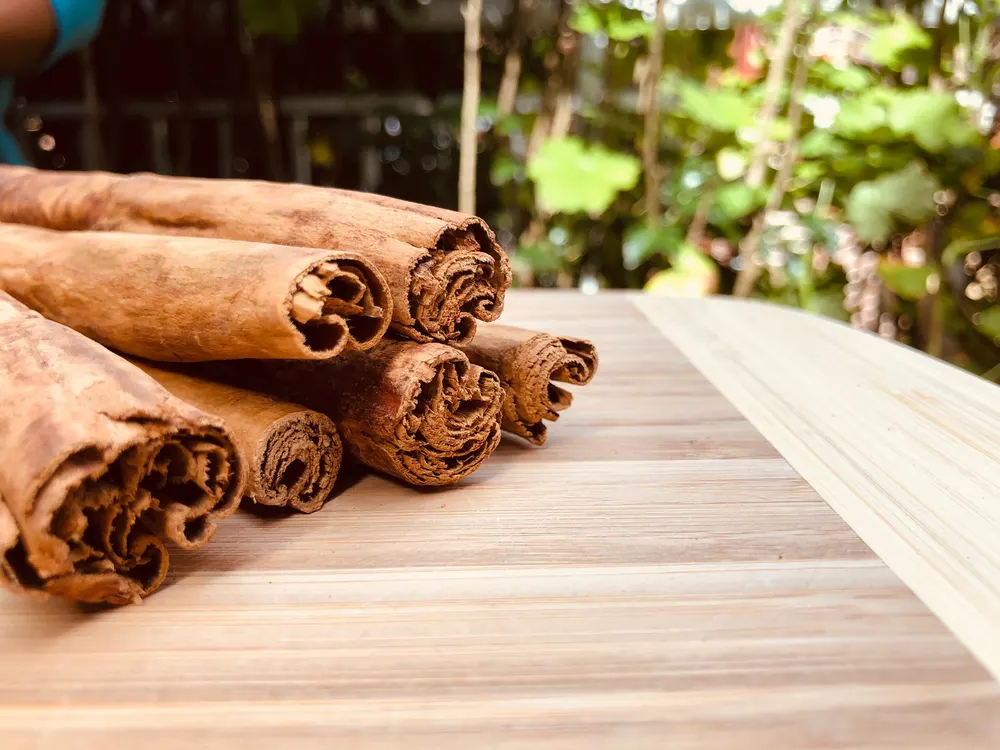
People often ask us why our cinnamon smells and tastes so different from the jar in the supermarket. The short answer is the hands that make it. The longer answer is the whole reason our family started this, and it is a story we are proud to tell.
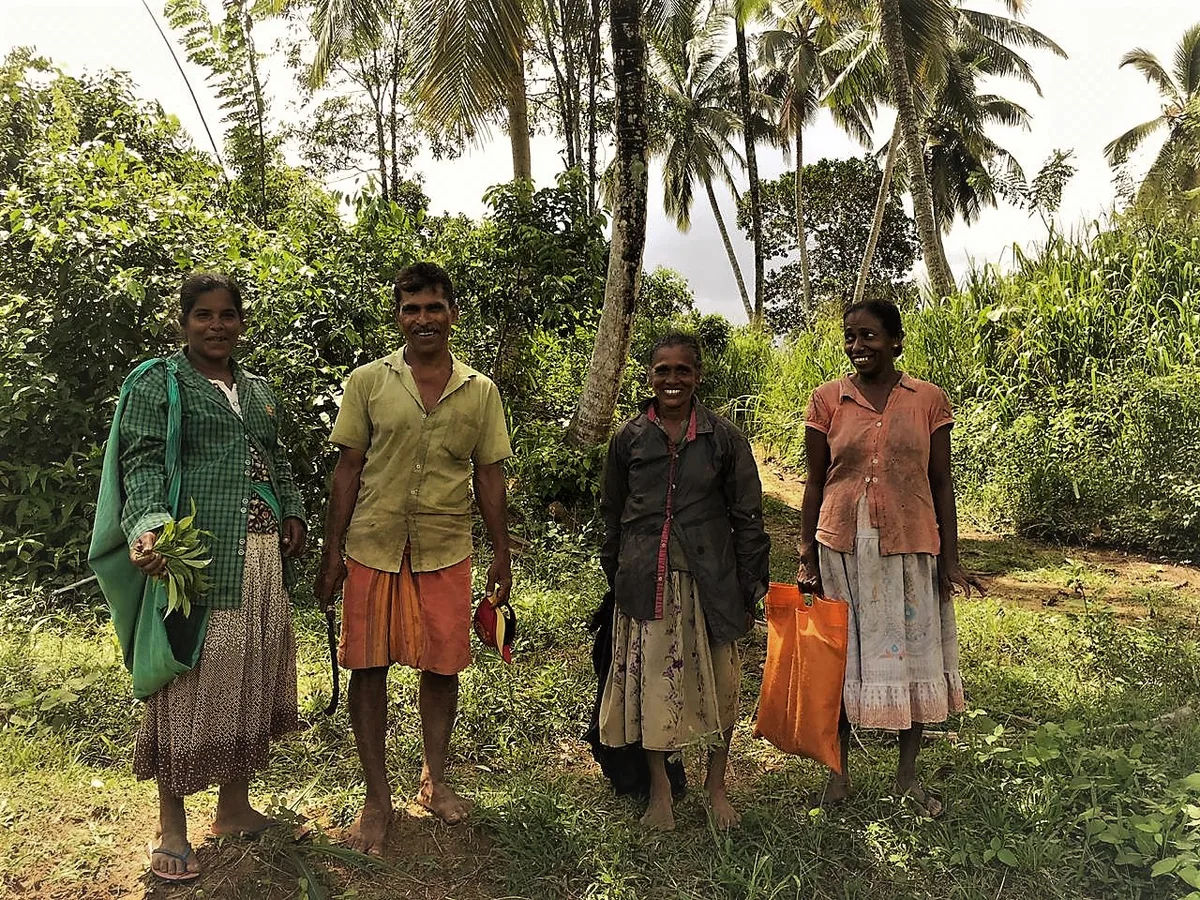
Our cinnamon grows on our own estate in Sri Lanka, on land our family has worked since 1948. We run the business from Parramatta in Australia now, but the trees, the peelers and the craft are all still there, and every quill you buy from us was made by someone we know.
It starts with the right tree
There are two very different plants sold as cinnamon. Most of the world’s cinnamon is cassia, a cheaper, harsher bark grown at scale. What we grow is Cinnamomum verum, true Ceylon cinnamon, the one people have called the finest for centuries. It is sweeter, more delicate, and naturally low in coumarin, which is the compound you want less of if you use cinnamon every day. If that distinction is new to you, we lay it out plainly in Ceylon cinnamon vs cassia.
Sri Lanka is where true cinnamon comes from. The soil, the humidity and the generations of knowledge here are not things you can copy somewhere else. The trees are grown as low bushes and coppiced, so instead of felling a tree you cut slender stems and the plant sends up more. It is a patient, renewing kind of farming.
The peeling, which is the hard part
This is the step almost no one sees, and it is where the skill lives.
Once a stem is cut, a peeler scrapes back the rough outer bark and then, with a small brass tool, carefully lifts the thin inner bark away in long, even strips. It is delicate, slow work. A good peeler trains for years, and the best of them are respected the way a master craftsperson should be. Machines cannot do this. The bark is too thin and too irregular, so it is human hands or nothing, and every machine anyone has tried to build for the job has quietly given up.
The strips are then telescoped together, one inside the next, into the long, tight quills you recognise. As they dry over the following days they curl in on themselves and firm up into those pale, papery sticks. Nothing is added. The colour and the aroma are just the bark and the air.
Never fumigated
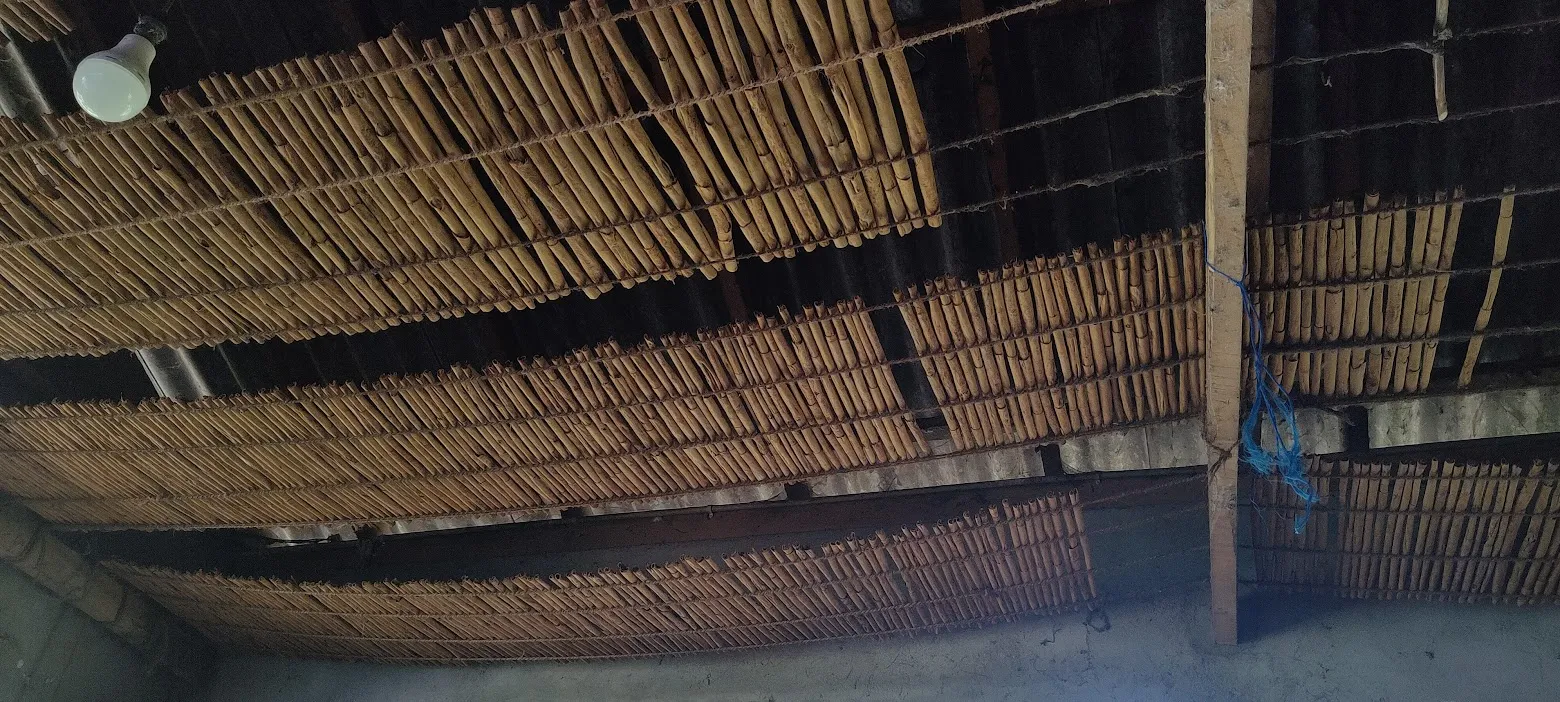
A lot of commodity spice is fumigated after harvest to survive long storage and shipping. We do not do that. Our cinnamon is grown and dried with care and sent on without those treatments, because we would not want to cook with it otherwise. It is a small thing to say in a sentence and a real thing to hold to in practice, and it is one of the reasons our regular customers keep coming back.
If you want to see how those whole quills behave in your own kitchen, we wrote a practical guide to using cinnamon sticks, and a gentle one on the daily cinnamon tea ritual our family has kept for generations.
Why we sell it direct
Here is the part that matters most to us. In the usual spice trade, the people who actually grow and peel the cinnamon see very little of what you pay for it. The value gets taken by a long line of brokers, exporters and repackers between the farm and the shelf. The grower, who does the hardest and most skilled work, ends up with the smallest share.
We built this business to change that for our own estate and our partner farms. By selling straight to you, with no intermediaries, more of what you pay stays with the people who earned it. We wrote honestly about where the money usually goes in the 60 percent, and it is worth a read if you have ever wondered why fair spice is not the default.
What your purchase actually does
We try hard not to overstate this, so here is the plain version. The income from selling directly funds long-term jobs on and around the estate, a free health clinic for workers and their families, and schooling materials and clothing for their children. It is not charity bolted onto a business. It is the business working the way we think it should.
Over about five years of selling to you, that has grown from a hopeful idea into something steady. Every order genuinely moves it along, and we are grateful for each one.
From our trees to your kitchen
That is the whole journey, from a stem cut on a hillside in Sri Lanka to a quill in a jar on your counter, with our own family in between and no one else taking a cut. When you grind a little over your morning oats or drop a stick into a pot of tea, that is what you are holding.
If you would like to taste the difference the hands make, our true Ceylon cinnamon powder and our bulk Ceylon cinnamon sticks both come straight off our estate. Thank you for reading this far, and for caring where your food comes from. It means more to us than we can easily say.
A little further reading: Encyclopaedia Britannica on cinnamon and Cinnamomum verum.
Taste the difference for yourself
Real Ceylon cinnamon, grown and hand-rolled on our family estate in Sri Lanka.
Shop the estate