Grades of Ceylon Cinnamon Explained: C4, C5, Alba and Mixed
A clear guide to the grades of Ceylon cinnamon, from Alba and C5 Special to C4 and Mixed, what the letters and numbers mean, and how to choose the right one.
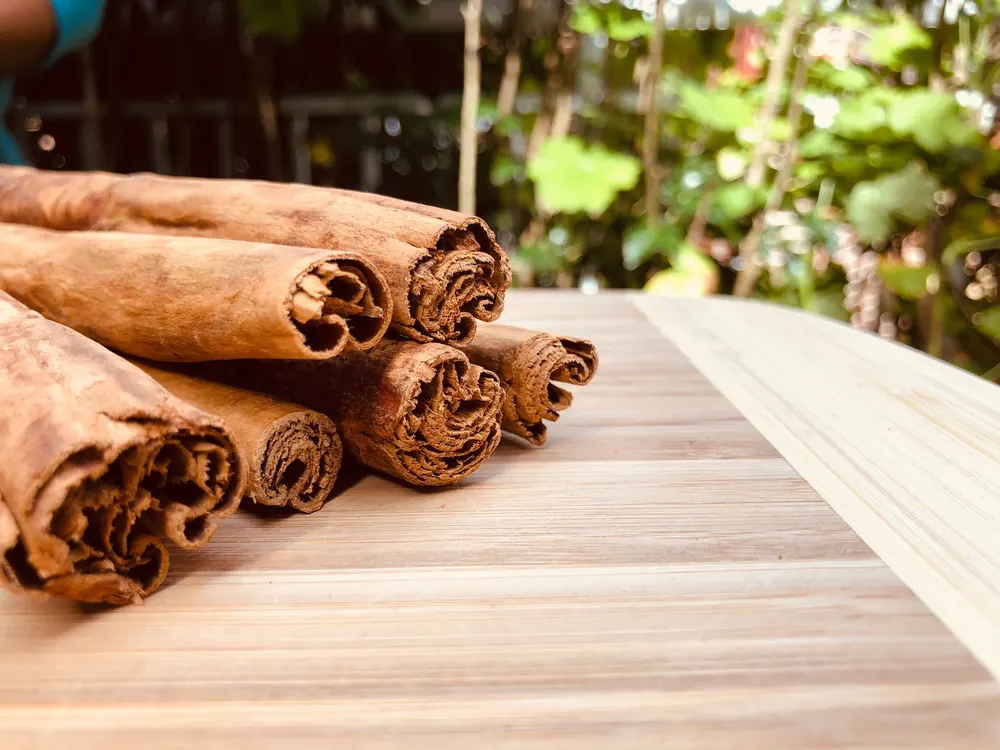
If you have ever shopped for real Ceylon cinnamon, you may have run into a wall of letters and numbers: Alba, C5 Special, C4, H1, Mixed. It looks like a secret code, and plenty of people assume the higher grades must be healthier or more flavourful. They are not, not really. The grade is mostly about how the quill looks and how thin it is, not how good it is for you.
Since our family grades our own cinnamon by hand on the estate, we thought we would explain the system plainly, so you can choose the right one for what you actually need.
First, what a grade measures
Ceylon cinnamon grading is a Sri Lankan system, and it comes down to a few physical things:
- The diameter of the quill, measured in millimetres. Thinner is considered finer.
- The appearance, colour, smoothness, and how few blemishes it has.
- The tightness of the roll and the overall neatness.
Notice what is not on that list: flavour compounds and health properties. All of these grades are true Ceylon cinnamon, Cinnamomum verum, from the same trees. They are all naturally low in coumarin, which is a compound health authorities suggest limiting, and one reason we grow only true Ceylon cinnamon. So a humble grade and a premium grade are the same species with the same gentle, sweet, citrusy character. The difference between them is looks and thinness, not substance, and what each one costs depends on the harvest and on what is in stock rather than on where it sits in the list. The Cleveland Clinic has a good rundown of why true cinnamon matters more than any grade.
The main grades, from finest to fullest
Here are the ones you are most likely to see.
Alba
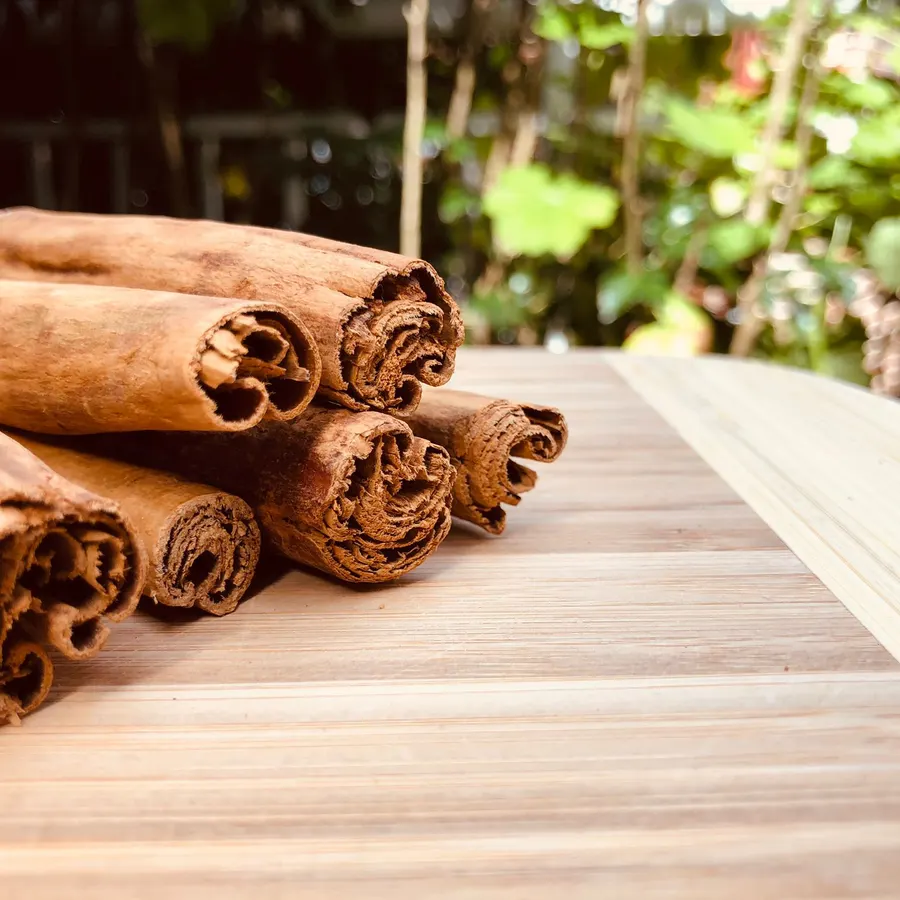
Alba is the finest and most prized grade, with the thinnest quills, usually around 6mm in diameter or less. The rolls are pale, smooth and beautiful, made from the most delicate inner bark. Because it is thin and hard to produce, it is the most expensive. The flavour is soft and refined. Alba is the grade to reach for when you want something special, or a gift for someone who loves fine ingredients. It is also the grade you display for a week before you can quite bring yourself to grind it.
C5 Special (Continental)
C5 Special, sometimes written C5 Sp, is a step up in thickness from Alba, around 6 to 8mm. It is still a lovely, fine quill with excellent appearance, and it carries most of Alba’s elegance in a slightly fuller roll.
C4
C4 quills are a little thicker again, around 8 to 12mm, with a slightly deeper colour. This is a solid, everyday premium grade. It looks handsome, it tastes exactly as true Ceylon cinnamon should, and it is the kind of stick our daily tea and coffee drinkers happily get through by the handful.
Mixed (M) and H grades
Mixed, often labelled M, is exactly what it sounds like: quills of varying thickness bundled together, sometimes with slightly less uniform colour or a few more blemishes. The H grades (like H1) sit in a similar space, thicker and less cosmetically perfect.
For cooking, brewing and grinding, these do the job just as well. Once a stick is simmering in a curry, infusing a syrup, or ground into powder, you are not looking at its diameter, you are tasting it. And the taste is the same true Ceylon cinnamon. If you use cinnamon often, compare what each grade actually costs on the day rather than assuming the plainer quill is the cheaper one.
So which grade should you buy?
Match the grade to the job rather than chasing the top of the list.
- For a gift, or to display whole quills: Alba or C5 Special, where the fine, pale look is part of the pleasure.
- For everyday tea, coffee and cooking: C4 is a lovely all-rounder. See the many uses in how to use cinnamon sticks.
- For grinding your own powder, or high-volume cooking: appearance stops mattering the moment it hits the pot, so buy on price and on what is in stock rather than on the grade name. Our 850g bulk pack is built for exactly this kind of daily use, and it lists the grades we hold with their prices so you can compare them side by side.
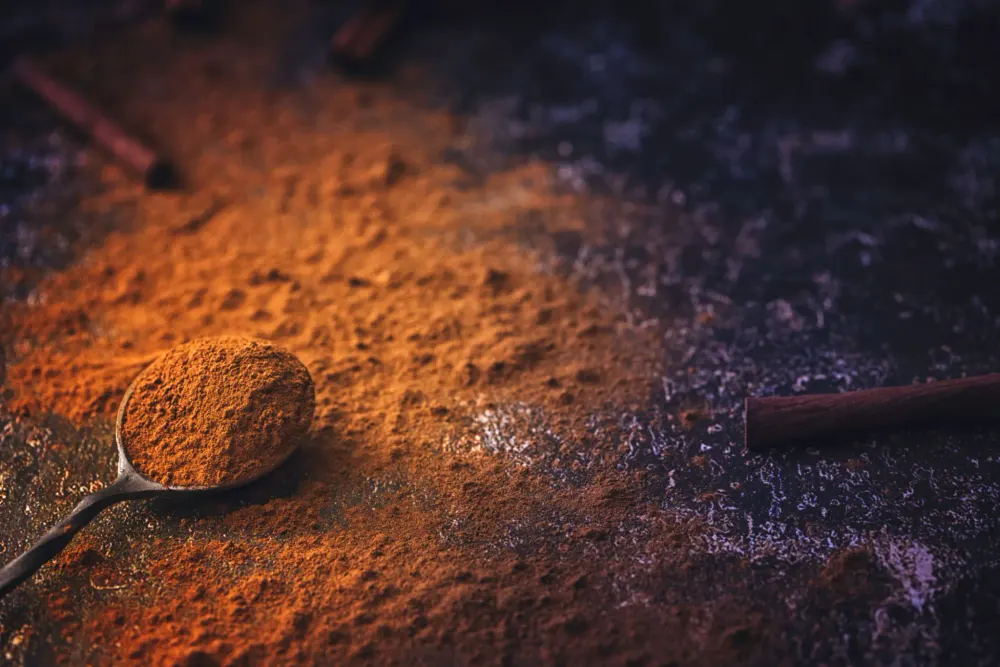
- For baking and stirring into things: skip whole quills and reach for ground true Ceylon cinnamon powder, or a jar of Ceylon cinnamon sugar for toast and coffee.
A word on what really matters
If you take one thing from all this, let it be this: the single most important choice is Ceylon cinnamon over cassia, not one Ceylon cinnamon grade over another. The supermarket cinnamon most of the world buys is cassia, which is hotter, sharper, and much higher in coumarin, a compound that health authorities suggest limiting. True Ceylon cinnamon is the mild, sweet, low-coumarin one. For the full comparison, see Ceylon cinnamon vs. cassia, and for background on cinnamon and coumarin the National Center for Complementary and Integrative Health is a reliable read. As always, if you are using cinnamon for a health reason, that is a conversation for your doctor, not a blog.
Graded by our own hands
Every quill we sell is grown, harvested and hand-rolled on our family estate in Sri Lanka, then sorted and graded by people who have done it for years. When you choose a grade with us, you are not choosing better or worse cinnamon, you are choosing the right one for your kitchen and your budget.
Whichever grade you pick, it is all true Ceylon cinnamon, and every purchase helps fund the jobs, the clinic and the schooling around our estate. That is the whole reason we grade with such care, and we are glad to share it with you.
Taste the difference for yourself
Real Ceylon cinnamon, grown and hand-rolled on our family estate in Sri Lanka.
Shop the estate