Natural Remedies for PCOS, and Where Cinnamon Fits
Health bodies say a healthy lifestyle is important for PCOS, now called PMOS. We read the cinnamon trials on insulin and what NCCIH says about cinnamon.
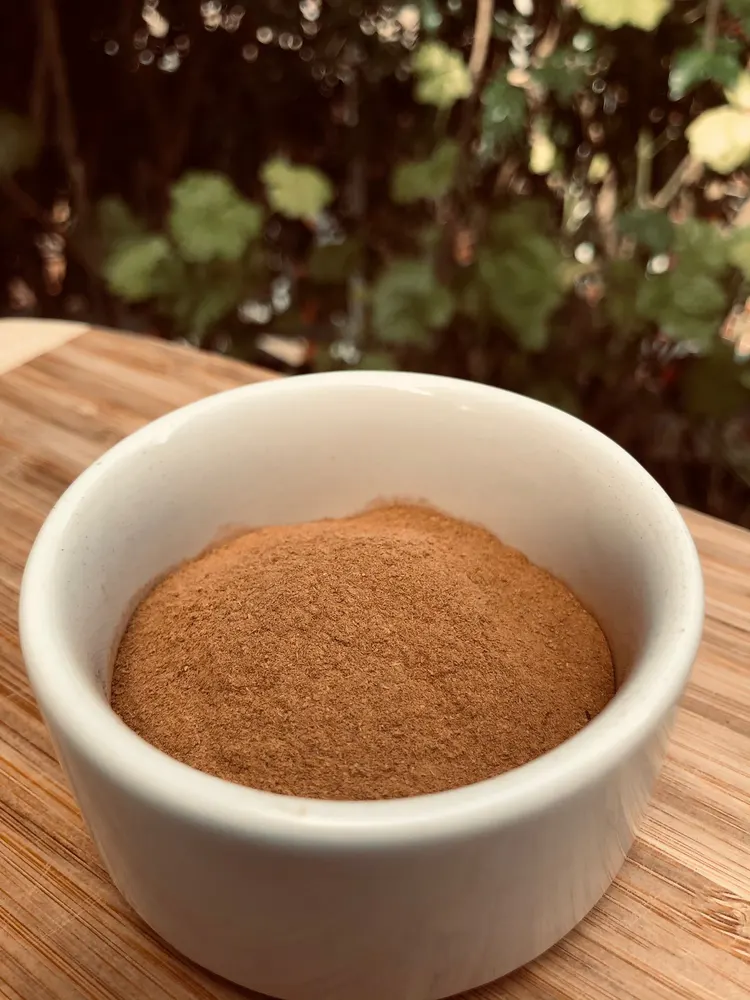
If you are looking for natural remedies for PCOS, the approaches with the strongest backing are healthy eating and regular physical activity, planned with your doctor. Inositol has some low-quality evidence behind it. Cinnamon has a handful of small trials with mixed results, some promising on insulin and two finding no difference from placebo in insulin resistance. We grow cinnamon for a living, so we have set out what each of these studies found.
This article is general information, not medical advice. PCOS is a medical condition. If you have PCOS, are trying to conceive, are pregnant or breastfeeding, or take any medication, talk to your doctor before changing your diet or adding a supplement.
PCOS has a new name, PMOS
In May 2026 polycystic ovary syndrome was renamed polyendocrine metabolic ovarian syndrome, or PMOS. Healthdirect, the Australian government’s health information service, says the condition, diagnosis and treatment are the same, and that you may see both names used while guidelines are updated (healthdirect). Jean Hailes for Women’s Health explains that the old name suggested a problem with ovarian cysts, while the new one reflects the whole-body nature of the condition (Jean Hailes). We use PCOS below because it is still the name most people search for.
Food and movement come first
Every PCOS guide we read lists healthy eating and physical activity among the treatments. The World Health Organization says healthy eating and physical activity are important for all women with PCOS, even if they do not lead to weight loss (WHO). The US National Institute of Child Health and Human Development says that for people with PCOS who have overweight or obesity, losing a small amount of weight and being more active can reduce many symptoms and related health problems (NICHD).
Jean Hailes says there is no evidence that any specific diet or type of activity is best for PCOS, and suggests working with health professionals such as a dietitian or an exercise physiologist to make a plan that’s right for you (Jean Hailes).
Inositol, the supplement people ask about most
Inositol comes up often when people search about PCOS. Jean Hailes describes it as a supplement that affects insulin, and says some studies suggest it could help with regular cycles, insulin resistance and androgen levels, but that the evidence is low quality. It also notes that over-the-counter supplements are not regulated as strictly as medicines, so their quality and strength can vary, and that anyone using a natural therapy should tell their doctor (Jean Hailes).
What the cinnamon trials actually tested
PCOS often involves insulin resistance, which is why researchers keep testing cinnamon. These are the studies we opened and read. The trials gave cinnamon as a supplement, not in food, and the amounts below are what the researchers used, not a suggestion for anybody reading this.
A 12-week trial of cinnamon powder. Hajimonfarednejad and colleagues gave 66 women with PCOS, all also taking a prescribed hormone medicine, 1.5 g of cinnamon powder a day in capsules or a placebo for 12 weeks. Fasting insulin and insulin resistance fell compared with placebo. Testosterone and most other measures did not differ from placebo (Phytotherapy Research, via PubMed).
An 8-week trial against metformin. Dastgheib and colleagues gave 100 women with PCOS, 83 of whom completed it, capsules of Ceylon cinnamon extract three times a day, metformin, ginger, or a placebo for 8 weeks. Cinnamon and metformin both lowered insulin resistance compared with placebo and ginger, and both lowered testosterone compared with placebo (Frontiers in Nutrition, via PMC).
A six-month trial. Peivandi and colleagues gave 39 women with PCOS and overweight or obesity 500 mg capsules three times a day, or a placebo, for six months. There was no difference in insulin resistance, blood fats or androgen hormones. Ovarian volume and fat under the skin of the abdomen did differ (Avicenna Journal of Phytomedicine, via PMC).
A six-month trial on cycles. Kort and Lobo, at Columbia University, gave 45 women with PCOS 1.5 g of cinnamon a day as a supplement, or a placebo, for six months. Only 17 women completed all six months. Those taking cinnamon had more frequent menstrual cycles than those on placebo, while insulin resistance and androgen levels did not change in either group. The authors called their results preliminary (American Journal of Obstetrics and Gynecology, via PubMed).
A review of PCOS trials. Heshmati and colleagues pooled five randomised trials in women with PCOS and found that cinnamon lowered a standard measure of insulin resistance compared with placebo (Journal of Food Biochemistry, via PubMed).
A review of reviews. Zarezadeh and colleagues pooled 11 earlier meta-analyses covering people with type 2 diabetes or PCOS, with cinnamon given in various forms and amounts, and found lower fasting glucose, insulin and insulin resistance across the pooled trials (Diabetology and Metabolic Syndrome, via PMC).
A review of diabetes trials. Moridpour and colleagues pooled 24 randomised trials of cinnamon supplements in people with type 2 diabetes. Fasting blood sugar, insulin resistance and HbA1c, a measure of blood sugar over recent months, were lower than in the control groups, while insulin levels did not change significantly. The authors concluded that cinnamon might have potential alongside diabetes treatment (Phytotherapy Research, via PubMed). These were people with diabetes, not PCOS, but insulin resistance is the link between the two.
Read together, the results are unsettled. Two trials found lower insulin resistance within two or three months, and the two six-month trials found no change in it. The trials are small, the women in the first one were also on medication, and the second trial used a Ceylon cinnamon extract while we could not find the species named in the others. The review of PCOS trials is the most direct evidence here, and it rests on five small studies. The review of reviews pools people with diabetes alongside people with PCOS, so it cannot tell you much about PCOS on its own.
What NCCIH says
The US National Center for Complementary and Integrative Health is more cautious than any single trial. Its summary says research does not clearly support using cinnamon for any health condition, and that it is unclear whether cinnamon supplements help with diabetes or weight loss. It says cinnamon is likely safe in the amounts commonly used in food, that larger amounts or long use are sometimes linked to stomach problems or allergic reactions, and that Ceylon cinnamon in larger amounts during pregnancy is considered unsafe (NCCIH).
Why the kind of cinnamon matters
Most supermarket cinnamon is cassia, a different species from Ceylon cinnamon, and cassia carries far more coumarin, a natural compound that is best kept to modest amounts. Austria’s food safety agency measured 1,880 to 3,260 mg of coumarin per kilogram in cassia, while the highest value it recorded in Ceylon cinnamon was 185 mg per kilogram (AGES). If cinnamon is part of your everyday cooking, Ceylon cinnamon is the sensible one to use. We explain the difference properly in Ceylon cinnamon vs cassia.
Cinnamon as food, not as a treatment
None of this makes cinnamon a treatment for PCOS, and we would not sell it to you as one. What it can be is a spice that makes the food a PCOS eating plan asks for more enjoyable. A pinch over plain yoghurt or porridge adds warmth without sugar. A stick simmered in a pot of rice, a curry or a pan of stewed apples does the same.
If you have seen Thomas DeLauer’s video about cinnamon and belly fat, we looked at those claims in a separate article.
If you are thinking about cinnamon capsules or any larger amount than cooking uses, that is a conversation to have with your doctor first, because the trials above used supplements under supervision and your own medicines and plans matter.
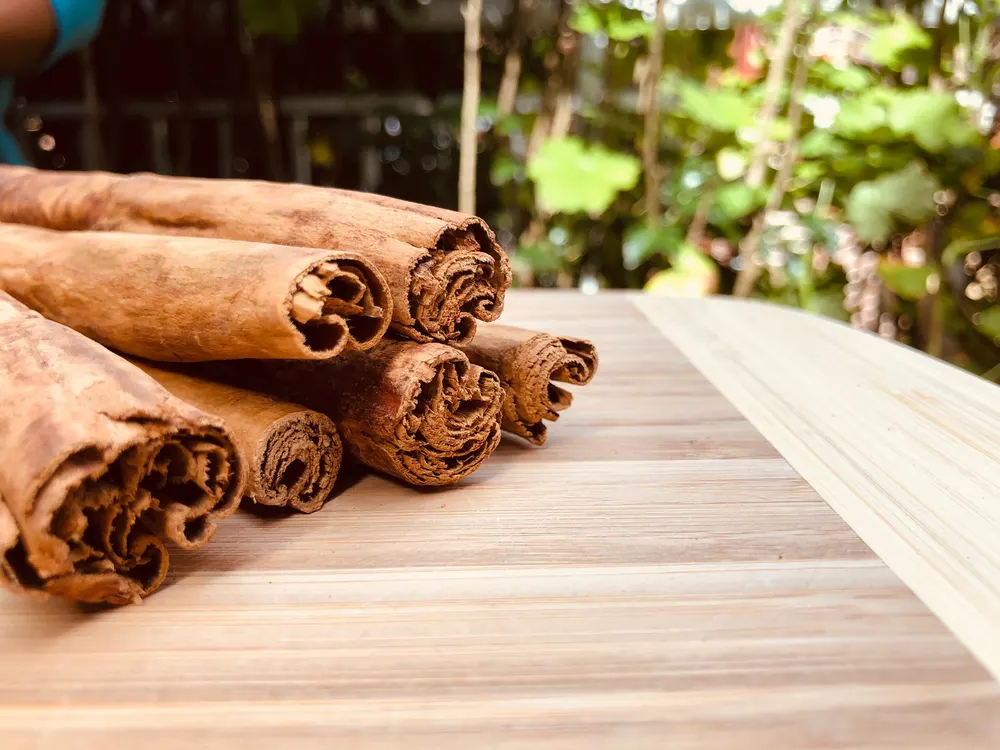
Our true Ceylon cinnamon powder is ground in small batches from quills hand-peeled and hand-rolled on our family estate and partner farms in Sri Lanka, never fumigated, and naturally low in coumarin. Every order backs the growers who tend the trees.
This article is for general information only and is not medical advice. If you have PCOS or PMOS, please talk to your doctor before making changes to your diet or supplements.
Sources: healthdirect: PCOS · Jean Hailes: PMOS · WHO: polycystic ovary syndrome · NICHD: PCOS treatments · Hajimonfarednejad et al. 2018 · Dastgheib et al. 2022 · Peivandi et al. 2024 · Kort and Lobo 2014 · Heshmati et al. 2021 · Zarezadeh et al. 2023 · Moridpour et al. 2024 · NCCIH: cinnamon · AGES: coumarin
Taste the difference for yourself
Real Ceylon cinnamon, grown and hand-rolled on our family estate in Sri Lanka.
Shop the estate