Cinnamon and Blood Sugar: What the Research Actually Shows
Cinnamon and blood sugar: the promising research, and why true Ceylon cinnamon is worth making part of your day.
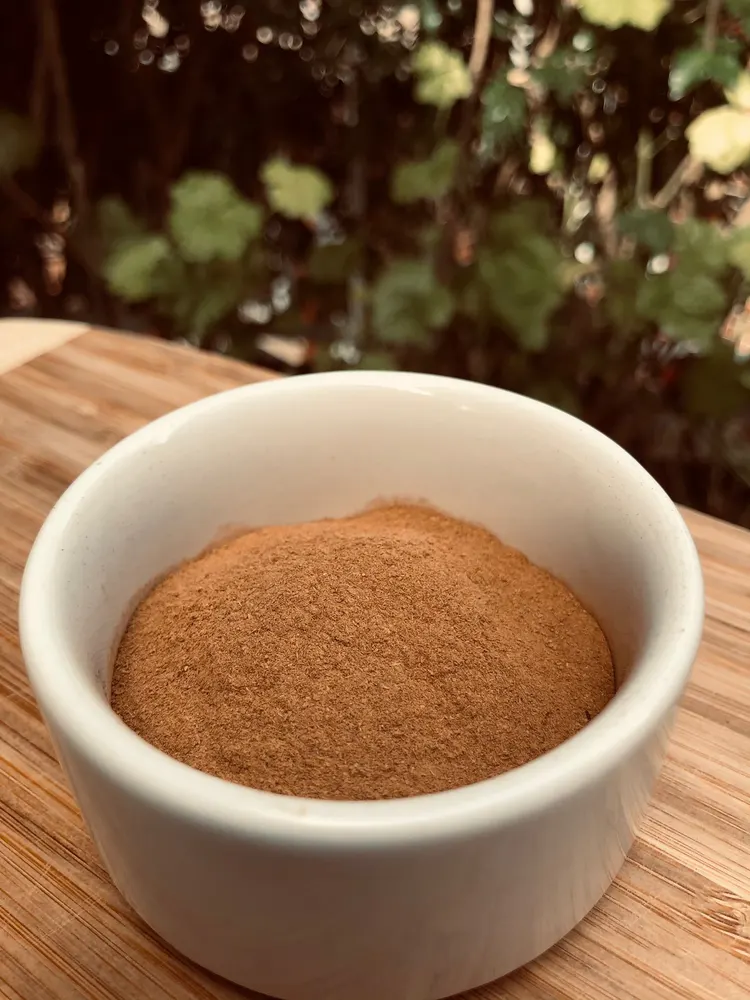
Cinnamon is one of those spices you reach for and feel good about. Lately it’s had extra attention for something beyond the flavour: blood sugar. There’s real, encouraging research behind that interest, and there’s a simple reason that, if cinnamon is going to be part of your day, Ceylon cinnamon is the one to reach for. Here’s the picture.
A quick note first: this is general information, not medical advice. Cinnamon isn’t a treatment for diabetes and shouldn’t replace anything your doctor has prescribed. If you’re managing blood sugar or take any medication, have a chat with them before adding cinnamon supplements.
The research is genuinely promising
The interest isn’t hype for its own sake. Studies have looked at how cinnamon affects glucose, and some of the results are the kind you want to see. A review of ten trials, cited by the Cleveland Clinic, found fasting blood sugar came down, along with cholesterol and triglycerides (Cleveland Clinic). Researchers think compounds in cinnamon may help insulin do its job, and slow how fast sugar hits your blood after a meal. That’s a promising thread, and it is why so many people keep a jar close.
It is early days, and worth being straight about: the bigger health bodies, the NIH and Diabetes UK, say the evidence isn’t settled yet and cinnamon isn’t a treatment (NCCIH, Diabetes UK). So enjoy it as a wonderful everyday spice with promising science behind it, not as a substitute for anything.
Why Ceylon Cinnamon is the one to keep
Here is where the type of cinnamon matters, and it is the strongest reason of all to go Ceylon cinnamon.
If cinnamon is going to be a daily habit, you want the one you can enjoy freely. Most supermarket cinnamon is cassia, which is high in coumarin, a natural compound best kept to modest amounts. Ceylon cinnamon, the true cinnamon, has only a trace of it (Healthline). That makes Ceylon cinnamon the one built for everyday use: gentle enough to enjoy every day, and sweeter, warmer and more delicate than cassia. We get into it in the coumarin question and Ceylon cinnamon vs cassia.

Make it part of your day
The best way to get cinnamon into your life is the simplest. A stick in your morning tea or coffee. A spoon of powder over porridge, yoghurt or toast. A stick dropped into a pot of rice, a curry, a warm winter drink. Little and often, the way our family has used it for generations.
It turns an ordinary cup or bowl into something you look forward to, and with Ceylon cinnamon you can make it a daily ritual without a second thought. There is a lovely, gentle example in cinnamon for PCOS too, where the same everyday spice earns its place.

The bottom line
Cinnamon is a genuinely lovely spice, the research around blood sugar is promising and worth watching, and Ceylon cinnamon is the one to make part of your routine: better tasting, low in coumarin, and made for daily enjoyment.
Our true Ceylon cinnamon powder is grown and hand-rolled on our family estate in Sri Lanka, never fumigated, and naturally low in coumarin, so it is the one you can reach for every single day. Every order backs the growers who tend the trees. Make it part of yours.
Sources: Cleveland Clinic: cinnamon and blood sugar · NCCIH: Cinnamon · Diabetes UK: herbal and food supplements · Healthline: Ceylon cinnamon vs Cassia
Taste the difference for yourself
Real Ceylon cinnamon, grown and hand-rolled on our family estate in Sri Lanka.
Shop the estate