Greece's Savoury Cinnamon: The Spice Hiding in the Mince
Greece puts cinnamon in the tomato sauce, not the biscuit tin. Pastitsio, moussaka and slow-cooked beef, and why the spice rounds off the sharpness.
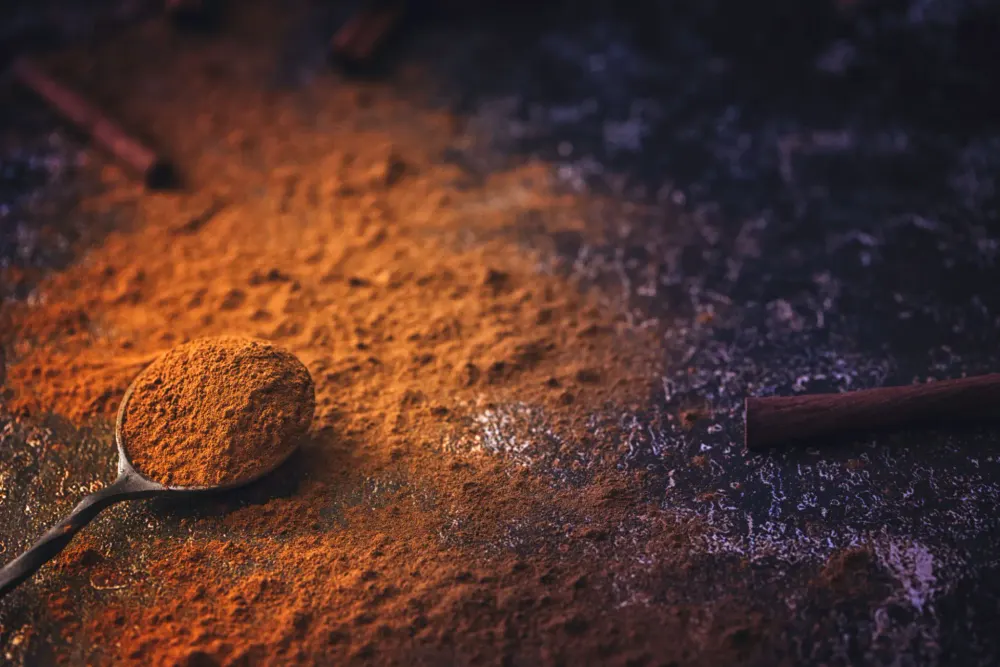
Most Australians have eaten Greek food. Fewer of us have noticed the cinnamon in it. It is rarely announced, and it is almost never in the dessert you would expect. It sits down in the meat sauce, underneath the tomato and the lamb, doing something you can taste but might struggle to name.
Ask a Greek cook about it and you get a shrug, because to them it is simply what mince tastes like. Ask where the habit came from and you get a much longer story, one that runs through Byzantium, Venice and the Ottoman Empire before it ever reaches a baking dish.
The spice came with the empires
Greece sat at the join of the old spice routes for centuries, and each ruling power left flavours behind. The Byzantine kitchen was already fond of aromatics, and the long Ottoman period pushed warm spices such as cinnamon, cloves and allspice deep into everyday cooking rather than keeping them for feasts.
You can hear the history in the words themselves. Moussaka reached Greek through Ottoman Turkish, which had taken it from the Arabic muṣaqqa’a, and the English word is only recorded from 1862 (Wikipedia). Pastitsio comes from the Venetian pasticcio, a family of baked savoury pies documented from the early sixteenth century (Wikipedia). Even stifado takes its name from the Italian stufato (Wikipedia). Greek cooking absorbed all of it and made it Greek.
Pastitsio, and the cinnamon in the meat
Pastitsio is the clearest case. It is a baked dish from the Ionian Islands built in three layers. Tubular pasta goes down first, then a layer of minced beef in tomato sauce, then a thick blanket of béchamel. The spicing is the giveaway, because cinnamon and cloves go into the meat while nutmeg or allspice goes into the white sauce (Wikipedia).
The version everyone now cooks is surprisingly modern. Nikolaos Tselementes, a French-trained Greek chef, published the béchamel-topped recipe in the early twentieth century and it swept aside the older pastry-wrapped versions (Wikipedia). He did much the same for moussaka in the 1920s, and the three-layer aubergine and lamb dish we all recognise is essentially his (Wikipedia). Its signature spicing is cinnamon, allspice and black pepper, which is why a good moussaka smells faintly of a bakery even though there is not a gram of sugar in it.
Stifado, and the sweetness of onions
Stifado is the dish that best explains why the trick works. It is a slow braise, traditionally of rabbit and later of beef, defined by an enormous quantity of small whole onions, sometimes almost matching the weight of the meat, simmered with tomato, red wine and vinegar (Wikipedia). Cooks add a stick of cinnamon along with cloves and allspice and leave it in for the whole cook (The Mediterranean Dish).
Think about what those onions are doing. Hours of gentle heat turns them sweet, and the vinegar keeps that sweetness sharp rather than cloying. Cinnamon lands right in between the two and ties them together. It is not there to make the stew taste of cinnamon. It is there to make the onions and the wine sound like one voice instead of two.
On Corfu the same instinct produced pastitsada, a Sunday braise in a spiced tomato sauce over pasta, carrying cinnamon, cloves and bay, and named after the Venetian pastizzada (Wikipedia). Different island, same idea.
The sweet end, where cinnamon is allowed to show off
Greek cooking does put cinnamon in sweet things too, and there it stops hiding. Melomakarona, the honey-soaked Christmas biscuits, take cinnamon and clove into an olive oil dough and finish under crushed walnuts, and their name joins meli, honey, to makaria, a bread eaten at ancient and medieval funerals (Wikipedia).
Then there are the spoon sweets, glyká tou koutalioú, which are whole fruits simmered slowly in syrup until they turn translucent and are offered to guests on a teaspoon with a glass of cold water and a coffee. Quince, bergamot, sour cherry, walnut and even rose petals all get the treatment, and a quill of cinnamon bark is one of the classic things dropped into the pot and lifted out before serving (Wikipedia). It is a small ritual of welcome, and the cinnamon is part of the welcome.
Why the gentle cinnamon suits this job
All of this asks a lot of the spice. A cinnamon that shouts will bully a lamb ragù and turn a stifado into a hot cross bun. True Ceylon cinnamon is the mild one, softer and sweeter than the hard cassia most supermarkets sell, which is exactly why it can sit under savoury food without announcing itself.
If you want to try the Greek habit at home, the easiest way in is a single stick dropped into your next batch of bolognese-style mince or a beef stew, then fished out at the end. Our Ceylon cinnamon sticks are grown and hand-rolled on our family estate in Sri Lanka, never fumigated, and sold direct so growers keep a fairer share, and a jar lasts a long time when you are using one quill at a time. Put one in the onions tonight and see whether anyone at the table can guess what you did.
Sources: Wikipedia: Pastitsio · Wikipedia: Moussaka · Wikipedia: Stifado · Wikipedia: Pastitsada · Wikipedia: Melomakarono · Wikipedia: Spoon sweets · The Mediterranean Dish: Stifado
Taste the difference for yourself
Real Ceylon cinnamon, grown and hand-rolled on our family estate in Sri Lanka.
Shop the estate