Cinnamon and Gut Health: What We Know
Cinnamon and gut health, without the overclaiming. What the research suggests, what it does not, and the everyday ways people actually use it.
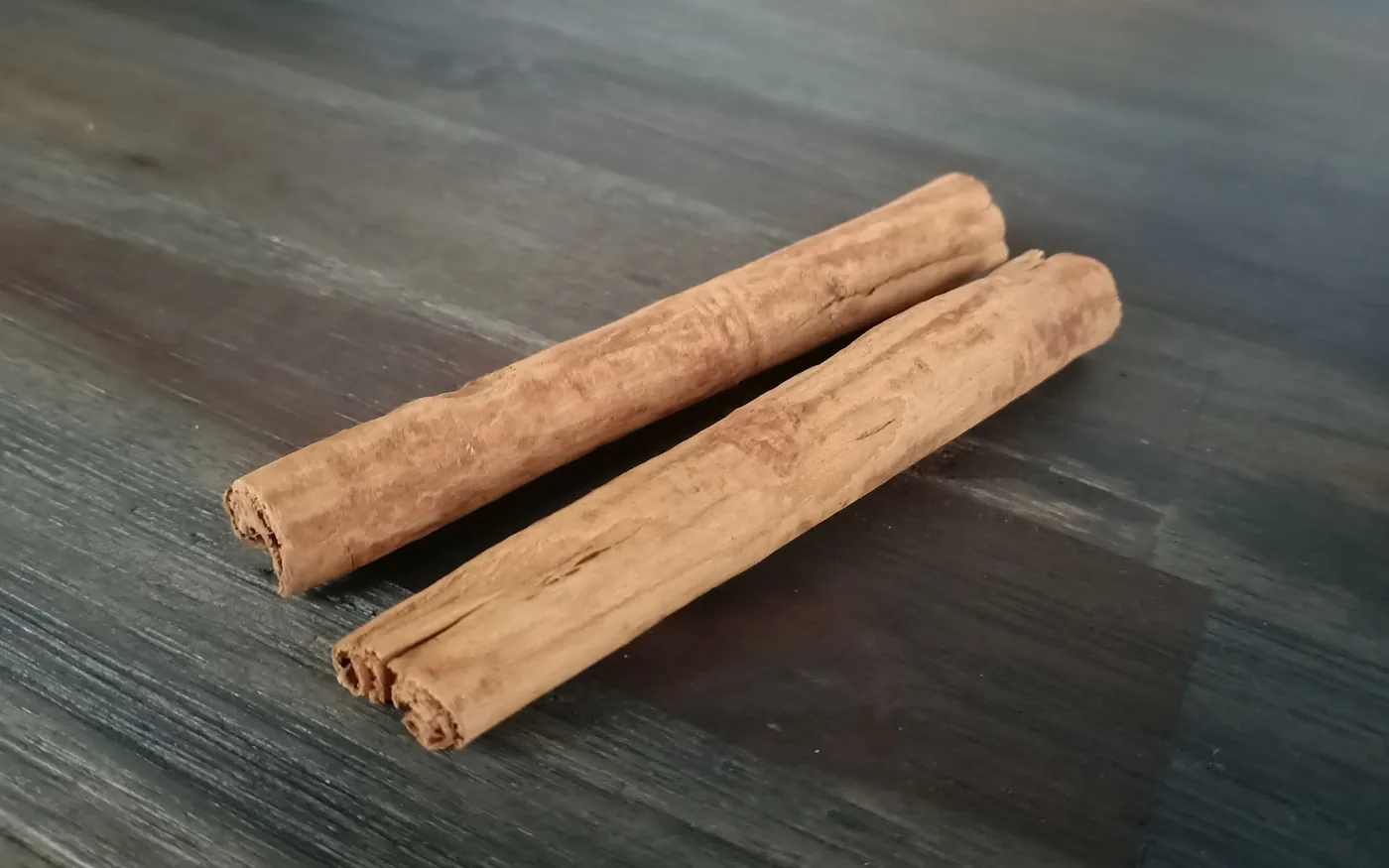
Gut health is one of the most talked-about topics in food right now, and cinnamon comes up in those conversations a lot. As a family that grows the stuff, we would rather give you the careful version than the breathless one: there is some genuinely interesting early research on cinnamon and the gut, and it is a long way from settled. Here is what we actually know.
This article is for general information only and is not medical advice. Cinnamon is a spice, not a treatment for any digestive or other condition. If you have gut symptoms, are pregnant, or take medication, please talk to your doctor before making big changes to your diet.
Why the gut is having a moment
The gut microbiome is the community of trillions of bacteria and other microbes living in your digestive tract. Research over the last couple of decades has linked a diverse, balanced microbiome to many aspects of health, from digestion to immunity (Harvard T.H. Chan School of Public Health). The general, well-supported advice is unglamorous: eat plenty of fibre, plants and variety, and go easy on heavily processed food. Where does a spice like cinnamon sit in that picture? Honestly, at the edges, as one small, pleasant contributor rather than a fix.
Polyphenols and the gut
The most interesting thread connecting cinnamon to gut health is polyphenols.
Cinnamon is rich in polyphenols, plant compounds that also act as antioxidants (Healthline). Polyphenols are interesting for the gut because a large share of them are not absorbed in the small intestine and instead travel on to the colon, where gut bacteria break them down. Some researchers describe certain polyphenol-rich foods as having a “prebiotic-like” effect, meaning they may help feed beneficial bacteria (review in the journal Nutrients, via PubMed Central). Cinnamon is one of the foods studied in this area.
The honest caveat is that much of this work is early, done in laboratories or animals or with extracts, and the amount of cinnamon a person actually eats is small. So it is fair to say cinnamon contains compounds that may interact with gut bacteria in helpful ways, and unfair to say cinnamon will fix your gut. Both things are true at once.
Antimicrobial activity, in the lab
You will also see claims that cinnamon fights bad gut bugs. There is a grain of truth and a lot of exaggeration here.
Laboratory studies have found that compounds in cinnamon, particularly cinnamaldehyde, show antimicrobial activity against certain bacteria and fungi (Healthline). That is a real finding, but it is mostly test-tube work at concentrations far higher than you would get from eating a spice. It does not mean sprinkling cinnamon on your porridge acts as an antimicrobial inside your gut. More human research is needed before anyone can say that confidently.
Digestion and everyday comfort
At a simpler, more traditional level, warm spices including cinnamon have long been used to settle the stomach and finish a meal, and cinnamon tea after eating is a common comfort in many cultures. There is not strong clinical proof that cinnamon aids digestion, so we will not pretend there is, but a warm, unsweetened cup is a gentle and pleasant thing either way. If you would like the method, our cinnamon tea ritual post walks through it.
One practical, evidence-friendly angle: because cinnamon adds warmth and natural sweetness, it can help you enjoy genuinely gut-friendly foods with less added sugar. A spoon over plain yoghurt, which brings its own beneficial bacteria, or stirred into a fibre-rich bowl of oats, is a small habit that fits the boring-but-true advice about fibre and variety.

Choose Ceylon Cinnamon for daily use
If cinnamon is going to be a regular part of your day, the type matters. Cinnamon contains coumarin, a compound linked to liver problems in large amounts, and cassia (the usual supermarket type) can be high in it while true Ceylon cinnamon (Cinnamomum verum) contains only trace amounts (Healthline, NCCIH). For an everyday habit, Ceylon cinnamon is the sensible pick, and it is what we grow. We explain the difference in Ceylon cinnamon vs cassia.
The honest bottom line
Cinnamon is a flavourful, polyphenol-rich spice that may interact with your gut bacteria in interesting ways, based on early research that is not yet settled. It is not a gut treatment, and the best thing it can do for your digestion is help you eat well: more plants, more fibre, less added sugar, and a bit more pleasure in the food. That is a modest claim, and it is one we can stand behind.
If you would like to make cinnamon a small daily habit, our true Ceylon cinnamon powder is grown and hand-rolled on our family estate in Sri Lanka, never fumigated, and naturally low in coumarin. It is an easy, honest way to enjoy the spice often, and every purchase helps the growers who tend the trees. Look after yourself, and your gut.
Sources: NCCIH (US National Center for Complementary and Integrative Health) · Healthline: benefits of cinnamon · Healthline: Ceylon cinnamon vs cassia · Harvard Nutrition Source: the microbiome · Polyphenols and gut microbiota review (Nutrients, PMC)
Taste the difference for yourself
Real Ceylon cinnamon, grown and hand-rolled on our family estate in Sri Lanka.
Shop the estate