Why Single-Origin Matters for Spice (Not Just Coffee)
Single-origin spice, explained by a family that grows it. Why one estate, one soil and a short journey give you fresher, more traceable Ceylon cinnamon.
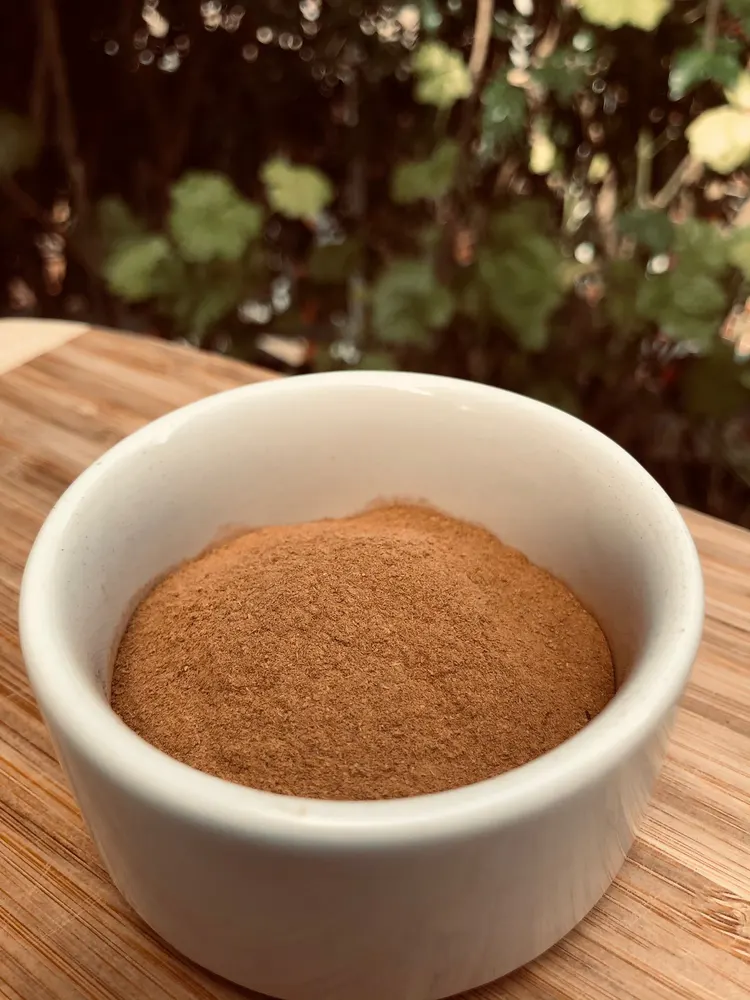
You have probably seen “single-origin” on a bag of coffee or a bar of chocolate. It has become a lovely idea in those worlds: one farm, one place, a flavour you can trace back to a hillside. What surprises most people is that almost no one talks about it for spice, even though spice is where it matters most.
We are a family that grows cinnamon in Sri Lanka and sends it out into the world from Parramatta, so this is close to our hearts. Here is why we think single-origin is not marketing language when it comes to your spice rack; it is the whole point.
What single-origin actually means
Single-origin simply means the spice comes from one known place, ideally one estate, rather than being blended from many anonymous sources.
Most supermarket cinnamon is the opposite. It is bought in bulk from traders, mixed together from different farms and often different countries, then packed under a brand that has never seen the trees. By the time it reaches the shelf, no one can tell you where it grew, when it was harvested, or how many hands and warehouses it passed through.
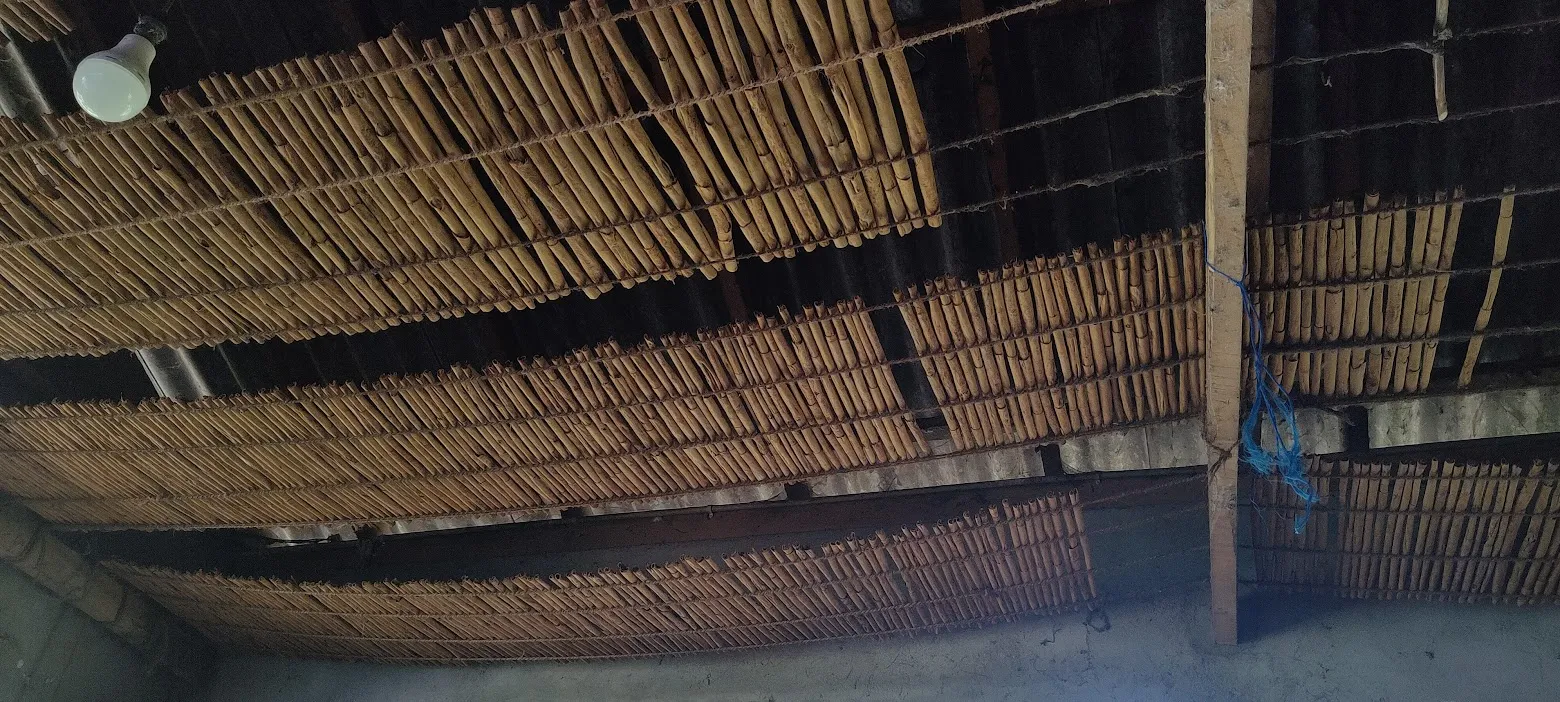
Single-origin flips that. When we send you cinnamon, we can tell you it was grown and hand-rolled on our family estate and partner farms, harvested in a known season, and shipped to you without being scattered through a dozen middle steps. That is a very different thing to hold in your hand.
Freshness is the first reason
Spice is not a preserve. It is a plant, and like any plant it fades.
Ground cinnamon slowly loses its aromatic oils to the air. Those oils are the flavour and the fragrance, so a jar that has been sitting in a warehouse for a year or two is a paler version of what it once was. This is why so many people think they do not really like cinnamon, when in truth they have only ever tasted old cinnamon.
A single-origin, short-journey spice reaches you closer to when it was made. That is most of the reason our cinnamon tastes brighter and more floral than the tin most of us grew up with. If you have never smelled cinnamon that actually smells alive, our true Ceylon cinnamon powder is a good place to start.
Traceability is the second reason
When something goes wrong with food, traceability is what protects you. When something goes right, it is what lets you trust it.
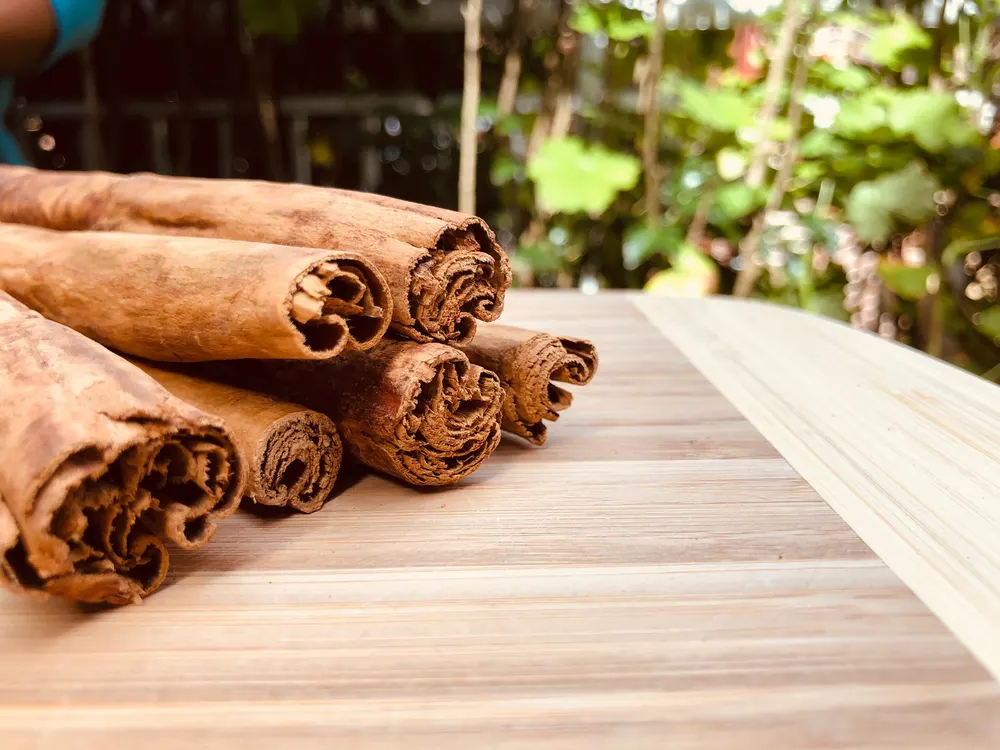
With a blended, anonymous spice, there is no thread to pull. No one can tell you whether it was fumigated, how it was dried, or what it was stored beside. With single-origin, the chain is short enough to answer real questions. We can tell you our cinnamon is true Ceylon cinnamon, the species Cinnamomum verum, and that it is never fumigated. We know because we grew it.
If you would like the plain story of what Ceylon cinnamon is and how it differs from the cassia most shops sell, we wrote it up in the story of Ceylon cinnamon.
The soil is the third reason
Coffee people talk about “terroir,” the idea that a place gives its crop a particular character. Spice rarely gets invited to that conversation, which is a shame, because it is just as true for cinnamon.
The soil, the rainfall, the shade and the elevation of a Sri Lankan estate all shape how the bark develops. True Ceylon cinnamon grown in its home climate has a delicate, sweet, almost citrus-and-clove note that is hard to fake and impossible to blend into existence after the fact. When you buy from many mixed sources, you average all of that away. When you buy single-origin, you get the character of one place, at its best. The International Trade Centre has long documented how origin and careful post-harvest handling shape the value of spices like this, which is exactly what a blended supply chain flattens out.
It is also fairer
There is a quieter reason we care about single-origin, and it is the reason we started.
In a long, anonymous supply chain, the people who actually grow the spice are the furthest from the money and the easiest to squeeze. Most of the value is captured by the traders and packers in the middle, not the family tending the trees. We wrote honestly about that gap in the 60 percent.
Single-origin, direct trade shortens that chain on purpose. Selling straight from our estate to your kitchen means a fairer share stays with the growers, and that share funds real things around the estate: long-term jobs, a free health clinic for workers and their families, and schooling and clothing for their children. That is not a bonus we bolt on; it is why the business exists.
How to shop single-origin without overthinking it
You do not need to become an expert. A few simple habits get you most of the way.
Look for a named origin, not just a country but ideally a farm or estate. Ask, or read, whether the spice is a specific species; for cinnamon, true Ceylon cinnamon is Cinnamomum verum. Buy in a size you will actually use within several months so it stays fresh, and store it in a sealed jar away from heat and light. If you cook with cinnamon often, whole sticks keep their oils far longer than pre-ground, which is why we offer Ceylon cinnamon sticks in a generous 850g bulk pack for people who go through it.
A gentle note to finish
Single-origin is not about being fancy. It is about knowing where your food comes from, tasting it at its best, and making sure the people who grew it are treated well.
If you would like to try cinnamon the way it is meant to taste, from one family, one estate, and a journey we can actually trace, we would love for you to give ours a go. Every jar keeps the story short and the growers close, and that is the whole idea.
Sources: International Trade Centre · Healthline: Ceylon cinnamon vs Cassia
Taste the difference for yourself
Real Ceylon cinnamon, grown and hand-rolled on our family estate in Sri Lanka.
Shop the estate