Pure Lavender Oil: How Much Is Too Much?
A friendly guide to pure lavender essential oil: gentle evening uses, how to dilute it safely, what the research does and does not say, and how to store it.
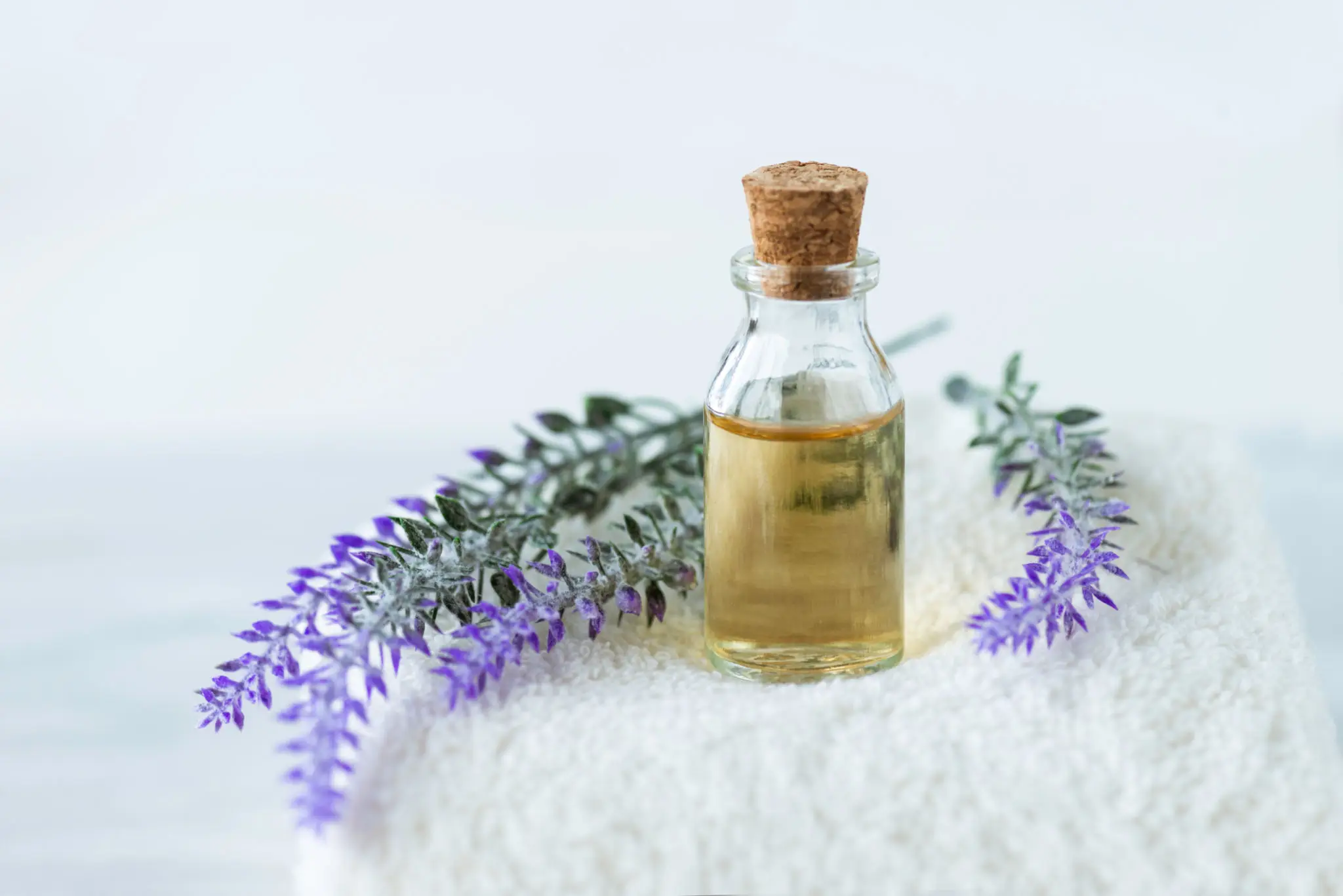
Of all the oils we bring over from home, lavender is the one people reach for at the end of the day. There is a reason it has been used for centuries. The scent is soft and clean, it fills a room without shouting, and it seems to signal to the body that it is time to slow down. It is the oil even the sceptics in the family have quietly made their peace with.
We want to be honest with you though. Lavender is lovely, and a lot of people find it genuinely relaxing, but it is not a cure for anything. This guide is about enjoying it well and using it safely, with a clear-eyed look at what the research actually shows.
Why lavender feels calming
Lavender’s aroma comes mostly from two compounds, linalool and linalyl acetate. When you breathe them in, the smell reaches the parts of the brain that handle mood and memory, which is part of why a familiar scent can shift how you feel so quickly.
Some studies suggest that inhaling lavender may help people feel a little calmer and may support better sleep quality for some. The evidence is promising but far from settled, and results vary from study to study. If you would like to read a balanced summary rather than take our word for it, the US National Center for Complementary and Integrative Health has a plain-language page, and Examine.com reviews the research in more depth.
None of this means lavender will fix poor sleep or anxiety. Think of it as a pleasant part of an evening routine, not a treatment.
Gentle ways to use it
Here is how our family actually uses lavender oil at home.
- In a diffuser: a few drops in water is the easiest way in. Run it for half an hour before bed rather than all night.
- A pillow or linen mist: mix a few drops with water and a splash of witch hazel in a small spray bottle, shake before each use, and lightly mist your pillowcase or sheets.
- In the bath: because oil and water do not mix, stir a few drops into a tablespoon of carrier oil or a little unscented bath base first, then add that to the water.
- A calming massage: diluted properly (more on that below), lavender makes a lovely wind-down massage oil for shoulders and temples.
- A quiet moment: a single drop on a tissue, held a little away from your face, is enough to enjoy the scent when you are out and about.
How to dilute it safely
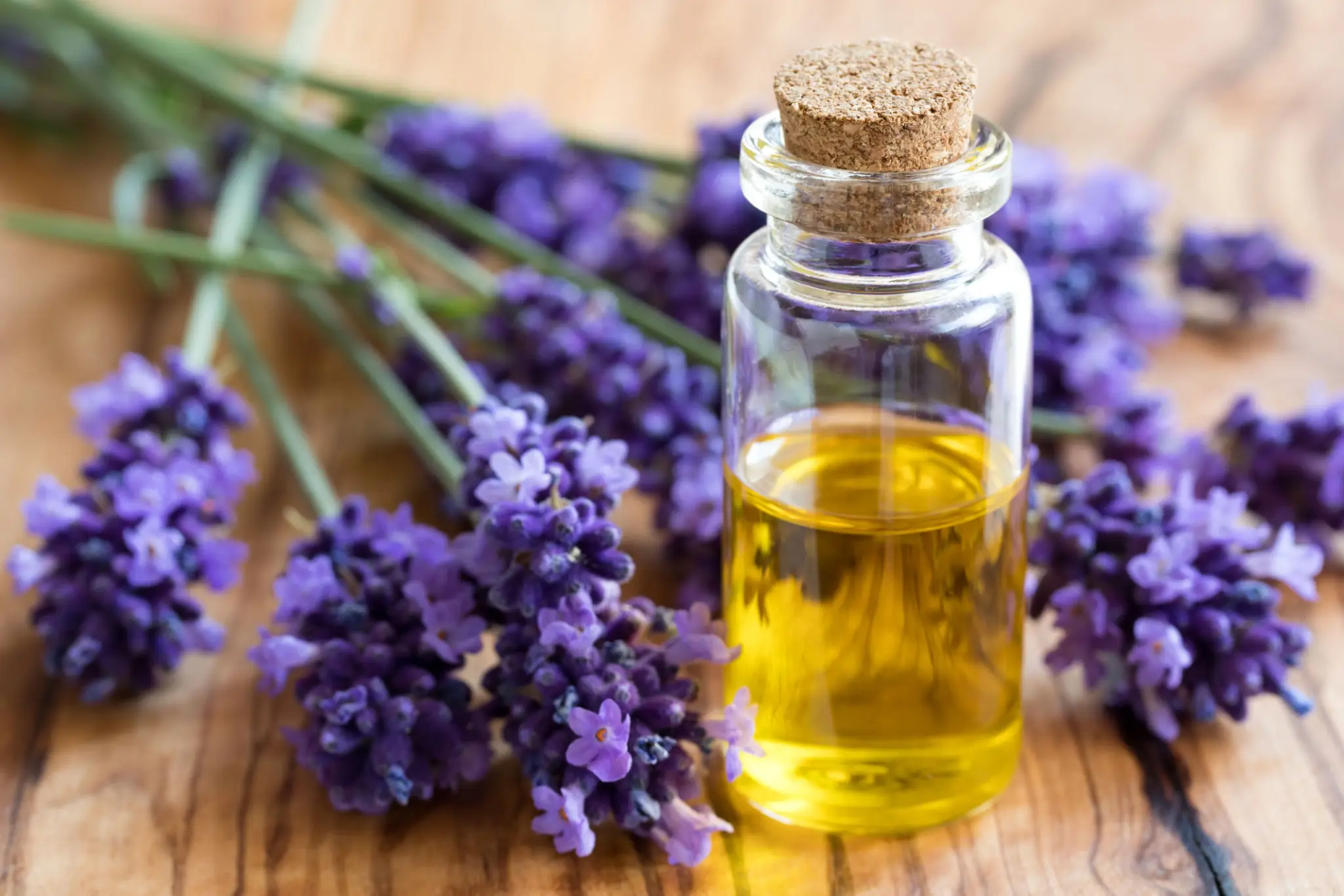
This is the part that matters most, so please do not skip it. Essential oils are very concentrated, and lavender is no exception. It should almost never go straight onto the skin undiluted.
The simple rule for general adult use is a dilution of around 1 to 2 percent. In practice that is:
- 1 percent: about 6 drops of oil per 30ml of carrier oil. Good for the face, for sensitive skin, and for older adults.
- 2 percent: about 12 drops per 30ml. Fine for a body massage on healthy adult skin.
A carrier oil is any neutral plant oil, sweet almond, jojoba, fractionated coconut and grapeseed all work well. The carrier is not a way to make the oil go further; it is what makes it safe to touch.
Before you use any new oil on your skin, do a patch test. Put a small amount of the diluted blend on your inner forearm and wait 24 hours to check for redness or irritation. For a clear guide to dilution and patch testing, Healthline is a good place to start.
A few extra cautions. Keep essential oils away from your eyes and out of reach of children. Do not swallow them. If you are pregnant, breastfeeding, on medication, or using oils on or around a child, please check with your doctor or pharmacist first. Pets, cats especially, can be sensitive to essential oils in diffusers, so give them a way to leave the room. This is not medical advice, and if you have a health condition, your doctor knows your situation better than any blog can.
Storing lavender oil well
A good lavender oil rewards a little care. Keep the bottle tightly closed, out of direct sunlight and away from heat, ideally in a cool cupboard. Light and warmth slowly break down the aromatic compounds, so a dark glass bottle in a drawer will hold its scent far longer than one on a sunny windowsill.
Kept well, a pure lavender oil stays lovely for a couple of years. If it ever smells sharp or off rather than soft and floral, it is time to retire it.
The lavender we bring you
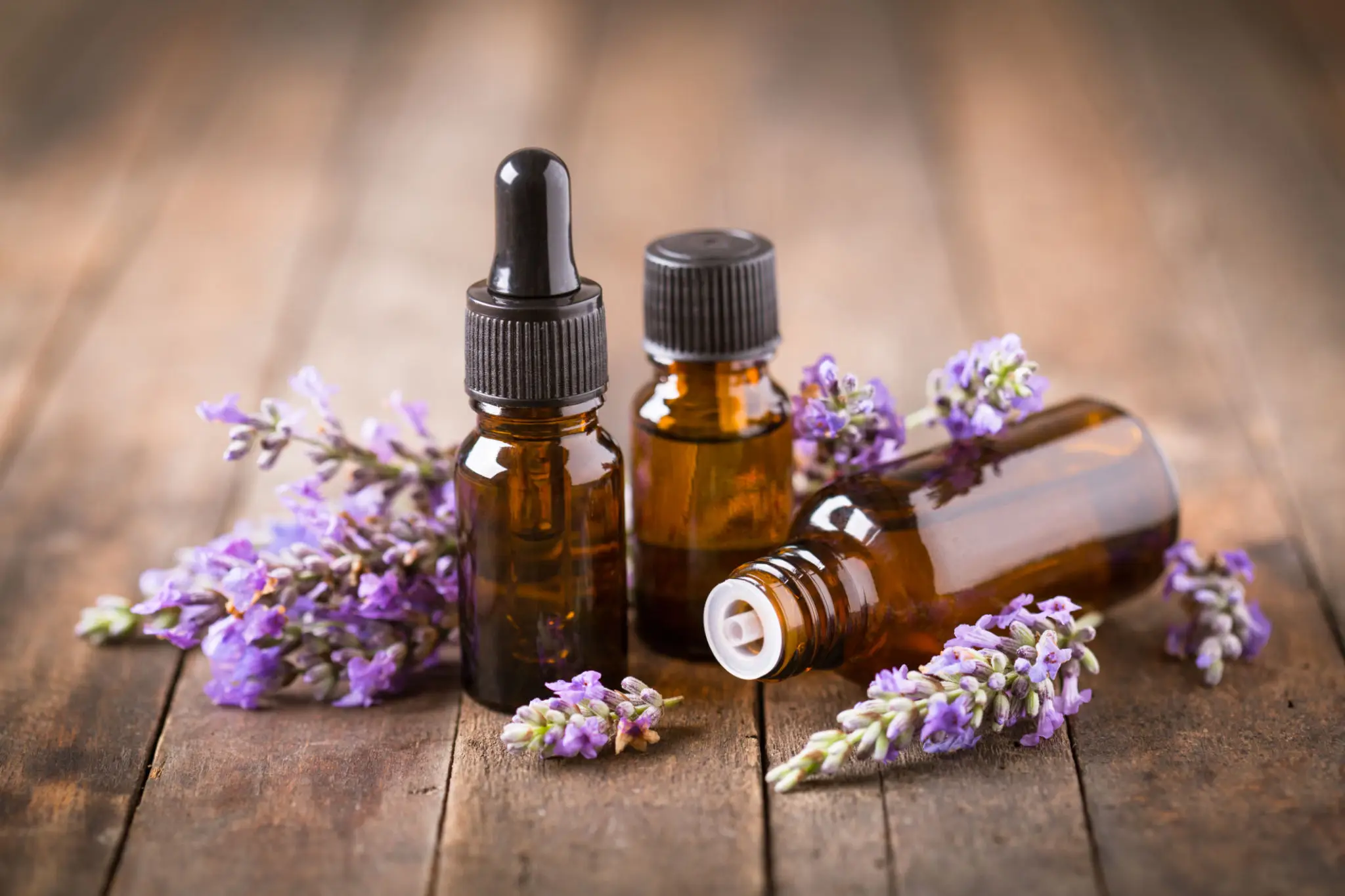
Our pure lavender essential oil is one of the oils our customers restock the most, usually the same people who tell us they light up their diffuser the moment they get home. If you enjoy building a little ritual around scent, you might also like our Ceylon cinnamon bark oil for cooler evenings, and we wrote a wider tour of our range in 6 tropical essential oils you must try.
Lavender is one of the gentlest, most forgiving oils to begin with, the houseplant of the oil world: hard to get wrong, and quietly making the place nicer while you get on with your evening. Start with a few drops in a diffuser, keep the dilution rules handy for your skin, and let it become a small, calm part of your day. Every bottle you buy helps support the growers and the community around our family estate, which is the reason we do any of this at all.
Taste the difference for yourself
Real Ceylon cinnamon, grown and hand-rolled on our family estate in Sri Lanka.
Shop the estate